

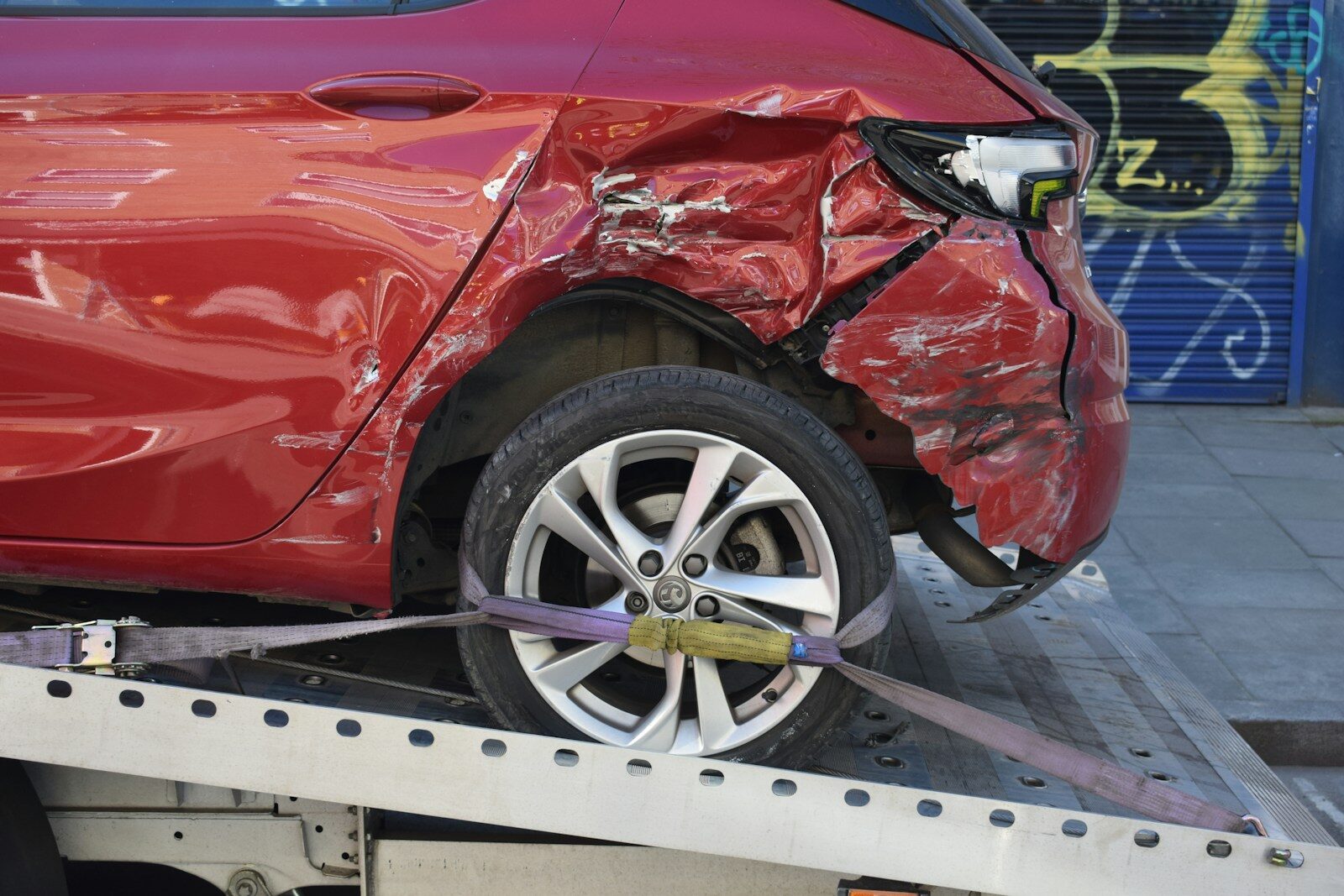
Imagine this: you open your mailbox to find your car insurance bill has mysteriously ballooned overnight. You haven’t had an accident or even received a speeding ticket, yet the numbers have crept higher—and you’re left wondering why. Car insurance rates can feel like a moving target, influenced by a web of factors both inside and outside your control. Understanding why your premium climbs and, more importantly, how to rein it back in can save you from unwelcome surprises and heavy expenses. In this article, we’ll unravel the common reasons behind rising car insurance rates and share practical strategies to help keep your costs on a steady, manageable track.
Understanding the Key Factors That Influence Your Insurance Rates
When it comes to car insurance rates, several dynamic elements determine how much you’ll pay each month. Your driving record plays a massive role; frequent accidents or tickets often lead insurers to view you as a higher risk. Likewise, credit score impacts premiums because insurers use it to predict risk levels. Even your car’s make and model can sway rates, with certain vehicles costing more to insure due to repair costs or theft rates. Location also matters immensely—urban areas with high traffic and theft rates typically result in steeper insurance costs.
Below is a quick glance at some of the most influential factors:
- Age and gender: Younger drivers and males often face higher rates.
- Annual mileage: Driving more increases risk exposure and premiums.
- Coverage limits: Higher coverage usually means larger premiums.
- Claims history: Frequent claims suggest riskier behavior to insurers.
| Factor | Effect on Rates | Tips to Lower Impact |
|---|---|---|
| Driving Record | High risk = Higher rates | Drive safely, avoid tickets |
| Credit Score | Poor score increases premiums | Maintain good credit habits |
| Vehicle Type | Expensive repairs cause hikes | Choose cars with lower insurance costs |
The Role of Driving History and How It Affects Your Premium
It’s important to understand that not all incidents carry the same weight. Minor infractions may lead to small increases, while major accidents drastically influence rates. Here’s a quick overview of how different factors typically affect premiums:
| Driving Factor | Effect on Premium | Typical Duration on Record |
|---|---|---|
| Speeding Tickets | Moderate Increase | 3 Years |
| At-Fault Accidents | Significant Increase | 5 Years |
| DUI Offenses | Major Increase | 7+ Years |
| Defensive Driving Courses | Potential Discount | N/A |
Maintaining a clean driving record and actively seeking defensive driving classes can be powerful tools in managing and possibly lowering your car insurance premium. Remember, the past hues the future—stay mindful behind the wheel.
Smart Strategies to Lower Your Insurance Costs Over Time
Implementing effective tactics to manage your insurance costs doesn’t have to be complicated. Start by reviewing your policy annually to avoid paying for unnecessary coverage. Insurance companies often reward drivers who bundle policies or maintain a clean driving record, so consider combining your auto with home or renters insurance. Also, don’t underestimate the power of loyalty discounts and regular negotiation; reaching out to your insurer can lead to tailored offers or reduced rates based on your current risk profile.
Another smart move is to adapt your insurance according to life changes, such as reduced commuting or adding safety features to your vehicle. Insurance providers appreciate these adjustments and, in many cases, pass on the savings to you. Here’s a quick guide to some cost-saving actions:
- Increase your deductible to lower your premium, but keep savings accessible for emergencies.
- Maintain a good credit score, as it often influences your rate.
- Drive less or use alternative transportation to qualify for low-mileage discounts.
- Enroll in defensive driving courses, which can demonstrate responsible behavior and reduce rates.
| Strategy | Potential Savings | Best For |
|---|---|---|
| Bundling Policies | Up to 20% | Multiple insurance lines |
| Higher Deductible | 10-15% | Healthy emergency fund |
| Defensive Driving Course | 5-10% | New or young drivers |
| Low-Mileage Discount | 5-15% | Occasional drivers |
Choosing the Right Policy Features to Prevent Unexpected Rate Hikes
When selecting your car insurance, it’s essential to focus on features that offer stability in your premiums. Look for policies with rate lock guarantees or caps on annual increases. These options safeguard you from sudden spikes caused by market shifts or minor claims. Additionally, consider policies offering accident forgiveness, which allows your first accident not to affect your rates — a valuable buffer against unexpected costs.
Beyond add-ons, examine the fine print and ask about how your insurance provider calculates rate adjustments. Policies with transparent renewal practices often provide better predictability. Here’s a quick look at features worth prioritizing:
- Multi-year rate lock: Keeps your premium fixed for a set period.
- Claim-free discounts: Rewards you for avoiding claims with lower rate increases.
- Flexible deductible options: Allows adjustments to suit your financial comfort without sudden hikes.
- Usage-based insurance: Rates based on driving behavior, often leading to fairer pricing.
To Conclude
In the complex world of car insurance, understanding why your rates climb is the first step toward steering them back down. From unexpected claims to shifting market trends, many factors play a role in the price you pay. But armed with knowledge and proactive habits—like maintaining a clean driving record, shopping around regularly, and bundling policies—you can take control of your insurance destiny. Remember, your rate isn’t set in stone; it’s a road with twists and turns you can navigate wisely. Drive smart, stay informed, and watch as your premiums find their way back to a more manageable lane.