Teaching Your Bird to Talk: What Actually Works
One of the most common questions I get from new bird owners: “How do I get my bird to talk?” And one of the most common frustrations: spending weeks repeating words at a bird who seems completely uninterested. The gap between those two experiences comes down to understanding how birds actually learn to vocalize and what makes some teaching approaches work while others fail.
Which Birds Talk — and How Well
Not all birds talk, and not all birds talk equally. Setting realistic expectations based on species prevents a lot of frustration. African greys are the gold standard of talking birds — not just mimicry, but contextually appropriate use of words and phrases that research has demonstrated constitutes genuine communication in the cognitive sense. A well-trained African grey may have a vocabulary of hundreds of words used with surprising contextual accuracy.
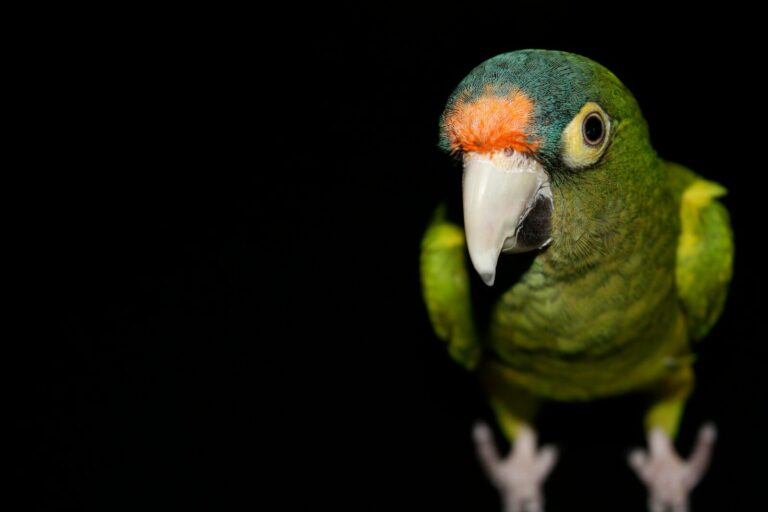
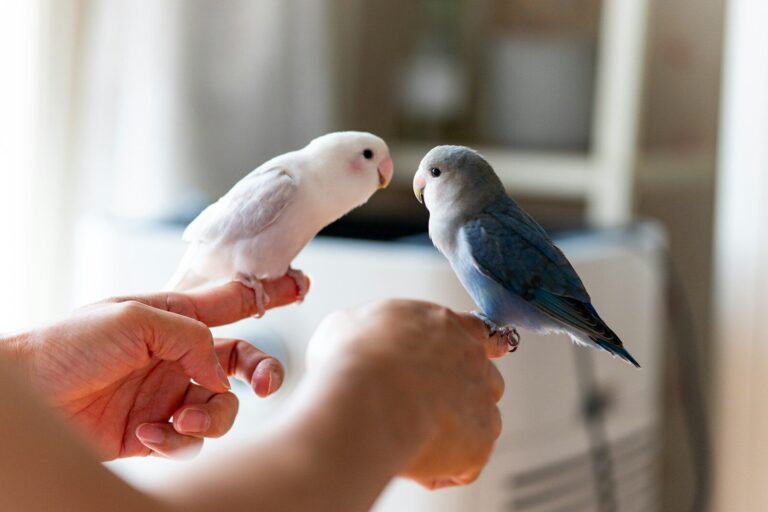
Amazon parrots — particularly Yellow-naped, Double Yellow-headed, and Blue-fronted Amazons — are excellent talkers with clear voices and good contextual understanding. They’re known for volume and enthusiasm. Eclectus parrots often develop extensive vocabularies with exceptional clarity. Budgerigars are surprisingly capable — males particularly — and can develop vocabularies rivaling larger parrots, though their small size means clarity is sometimes limited. Cockatiels are generally better whistlers than talkers but some males develop clear words and phrases. Conures, lovebirds, and many other species can learn words but are generally limited in both vocabulary and clarity compared to the species above.
Individual variation is enormous within species. Some birds never talk regardless of training. Some birds talk abundantly without deliberate teaching. Most fall somewhere in between, and consistent, appropriate training moves birds toward the talking end of their individual potential.
The Fundamental Principle: Association, Not Repetition
The most common mistake in bird speech training is treating it like memorization — repeating a word over and over at the bird, without context. Birds are not recording devices. They’re social animals who learn to vocalize because vocalizations serve social functions in their flock. A bird learns to say “hello” not because you said it 500 times, but because “hello” reliably occurs in a specific social context (someone entering the room) and is associated with positive attention and interaction.
Context-based teaching is the most effective approach. Associate words with the situations they describe, consistently and naturally. “Hello” every time you enter the room. “Goodbye” when you leave. “Want a treat?” when a treat is being offered. “Step up” when you present a finger for step-up. “Good bird” as praise. The bird hears these words in contexts that give them meaning, and — if motivated to communicate — begins using them in those same contexts.
Model/Rival Method
Research by Dr. Irene Pepperberg with African greys developed what she called the model/rival method, which has proven highly effective for teaching birds not just words but concepts. Two humans interact with each other about an object or concept in front of the bird: one person asks a question (“What color is this?”), the other answers (“Red”) and is rewarded with the object. The bird observes the interaction. The question-asker then presents the same object to the bird and asks the same question, rewarding correct responses. This method teaches conceptual content rather than empty mimicry and is significantly more effective for teaching birds to use language meaningfully. It requires two people to implement effectively but produces remarkable results with receptive birds.
Practical Session Structure
For less systematic teaching: keep sessions short (five minutes maximum) and frequent (multiple times daily is better than one long session). Use genuine enthusiasm in your voice — birds are sensitive to emotional tone and learn faster from engaged, enthusiastic interaction than from bored repetition. Reward any attempt to vocalize in the direction of the target word — approximate attempts first, then gradually shape toward the actual word. Never punish vocalizations you don’t want by ignoring only the wanted ones; selective positive reinforcement is more effective.
Record yourself saying the target word and play it back — birds sometimes learn from recordings particularly at night when the household is quiet. Commercial talking bird recordings have varying effectiveness but some birds respond well to them as supplementary exposure.
The Right Environment for Learning
Birds learn best when they’re healthy, well-socialized, and engaged with their owner. A bird who is stressed, underfed, inadequately socialized, or experiencing environmental instability is not in a learning state. Address the foundation before expecting complex behavioral learning. A bird who trusts its owner, is physically healthy, and is mentally stimulated through regular interaction and enrichment is the bird most likely to learn to talk — and most likely to use language to communicate rather than merely mimicking.
When It Happens
Birds who are going to talk usually produce their first clear word between three months and a year of consistent effort, though some birds talk earlier and some take longer. The first word often appears suddenly, seemingly out of nowhere — the bird has been processing the input for weeks or months and then produces it complete. From the first word, subsequent words typically come faster as the bird’s understanding of the learning game develops. Celebrate each new word enthusiastically — that positive reinforcement accelerates the learning curve significantly. And be prepared for the delight of a bird who greets you at the door by name or asks for a treat by its specific name — it’s genuinely remarkable and never gets old.