Breeding Birds: A Responsible Complete Guide
Before anything else in this guide, I want to say something directly: responsible bird breeding requires extensive preparation, ongoing education, and honest assessment of your ability to provide appropriate homes for the birds you produce. The aviculture world has more birds than it has homes. Breeding should not be undertaken casually, and any birds produced should be homed with equal care and responsibility to the breeding itself. With that said, for the prepared and committed aviculturist, breeding birds is one of the most fascinating and rewarding aspects of bird keeping.
Are You Ready to Breed?
The questions to answer honestly before beginning: Do you have the time and facilities to support breeding pairs and their offspring through fledgling and weaning? Do you have a reliable market or specific homes for the birds you’ll produce? Do you have the knowledge to hand-raise chicks if the parents fail, including 24-hour feeding schedules for neonatal chicks? Do you have avian veterinary support accessible for breeding emergencies? Can you manage egg binding emergencies, hand-feeding failures, and chick deaths as they inevitably sometimes occur? If the honest answer to any of these is no, build toward that readiness before beginning.
Pair Selection and Condition
Breed only birds in optimal health. Birds in poor condition — underweight, nutritionally deficient, showing any signs of illness — should not be bred. The physiological demands of breeding are substantial, and birds in poor condition produce fewer eggs, have lower hatch rates, produce weaker chicks, and face higher personal health risks (egg binding in females, particularly). Before breeding season, ensure both birds have received an avian veterinary health check. Genetic disease screening is appropriate and becoming more accessible for some conditions in specific species.
Pair compatibility is not guaranteed by sex alone. A male and female of the same species will not necessarily breed together, and forcing incompatible pairs together produces stress without breeding success. Allow birds to self-select pairs when possible (housing multiple potential pairs together and observing bonding), or observe signs of mutual interest — preening each other, feeding each other, vocalizing and displaying toward each other — before establishing a pair in a breeding setup.
Breeding Nutrition
The nutritional demands of breeding birds are significantly elevated over maintenance requirements. Begin increasing food quality and quantity 4-6 weeks before anticipated breeding. Increase protein availability substantially — cooked eggs, cooked legumes, high-protein commercial breeding supplements, sprouted seeds. Increase calcium availability for egg-producing females — cuttlebone, mineral blocks, calcium supplements — egg production is highly calcium-demanding and inadequate calcium is the primary cause of egg binding. Ensure vitamin A and D3 status is optimal. Maintain dietary improvement through the entire breeding period including chick rearing.
Nest Box Provision
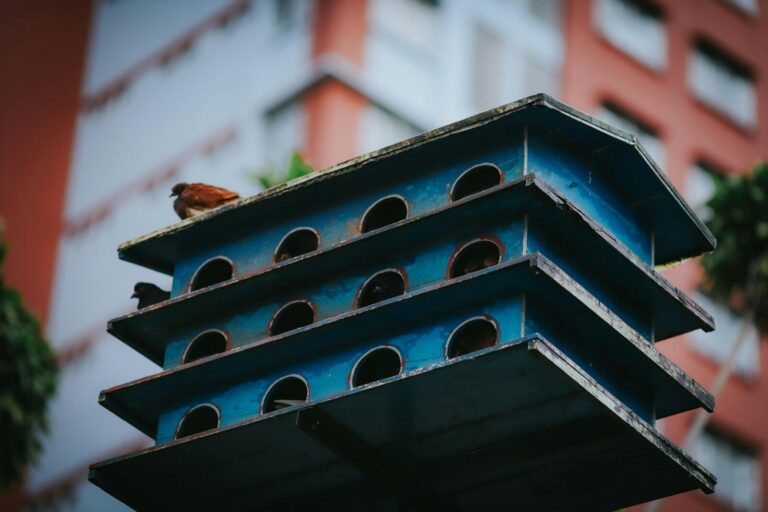
Most cavity-nesting birds (parrots, cockatiels, budgies) require an enclosed nest box to initiate breeding. Nest box dimensions vary by species: budgies use a small box approximately 6 inches square by 8 inches tall with a 2-inch entrance hole; cockatiels need a larger horizontal or vertical box approximately 10 by 10 by 12 inches; larger parrots need proportionally larger boxes. Natural wood nest boxes are preferable to plastic for temperature regulation. Provide nesting material appropriate to the species — most parrots do little nest-building, but cockatiels and budgies appreciate some substrate in the box. Canaries build elaborate nests and need nesting material (coconut fiber, soft grasses) provided in a nest pan.
Incubation and Hatching
Most pet bird species have incubation periods ranging from 18 days (budgies) to 28 days (cockatiels) to 26-28 days (many medium parrots). Monitor nest activity without excessive disturbance — daily brief checks are appropriate; repeated intrusive checks stress the breeding pair and can cause egg abandonment. Candling eggs (holding a small light against the egg in darkness to see the developing embryo) at 7 and 14 days identifies clear (unfertilized) or dead-in-shell eggs. Remove clear eggs after 14 days; leave eggs showing development until they hatch or are clearly failed.
Hand-Raising Chicks
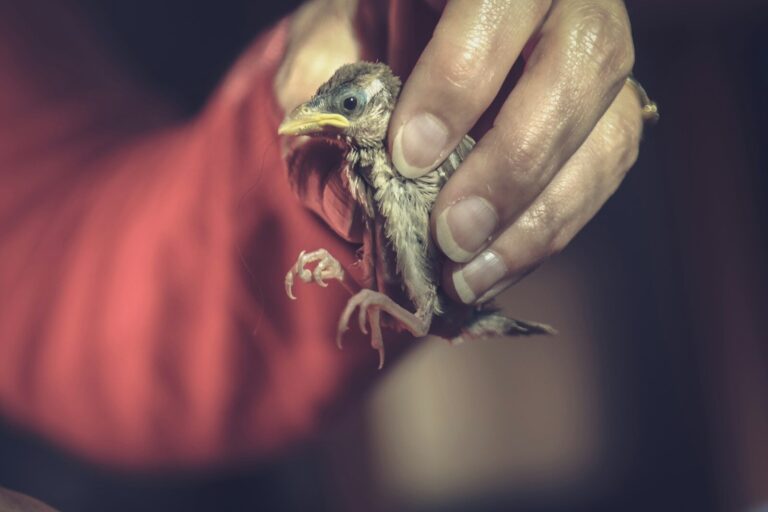
Some breeding pairs abandon eggs or chicks — and some aviculturists choose to pull chicks for hand-raising to produce tamer birds. Hand-rearing is intensive, skilled work. Neonatal chicks require feeding every 2-3 hours around the clock, temperature-controlled brooder environments (95°F dropping to room temperature as they feather), and precise formula preparation and delivery. Formula concentration, temperature, and volume must be appropriate to the chick’s age and species. Aspiration (formula entering the airway) is a serious risk from incorrect feeding technique. Over-filling the crop causes crop impaction. Bacterial contamination of formula causes crop infections. Experienced mentorship from an established hand-raiser is strongly recommended before attempting this independently.
Weaning
Chicks transition from hand-feeding formula to independent eating at species-specific ages. Weaning too early (before the chick is eating enough independently to maintain weight) causes stunting and developmental problems. Monitor weight daily throughout weaning. A chick who is losing more than a few percent of body weight during weaning needs continued formula support. Provide a variety of easily accessible foods during weaning — soaked pellets, soft cooked foods, fresh vegetables — to encourage independent eating alongside continued formula availability.