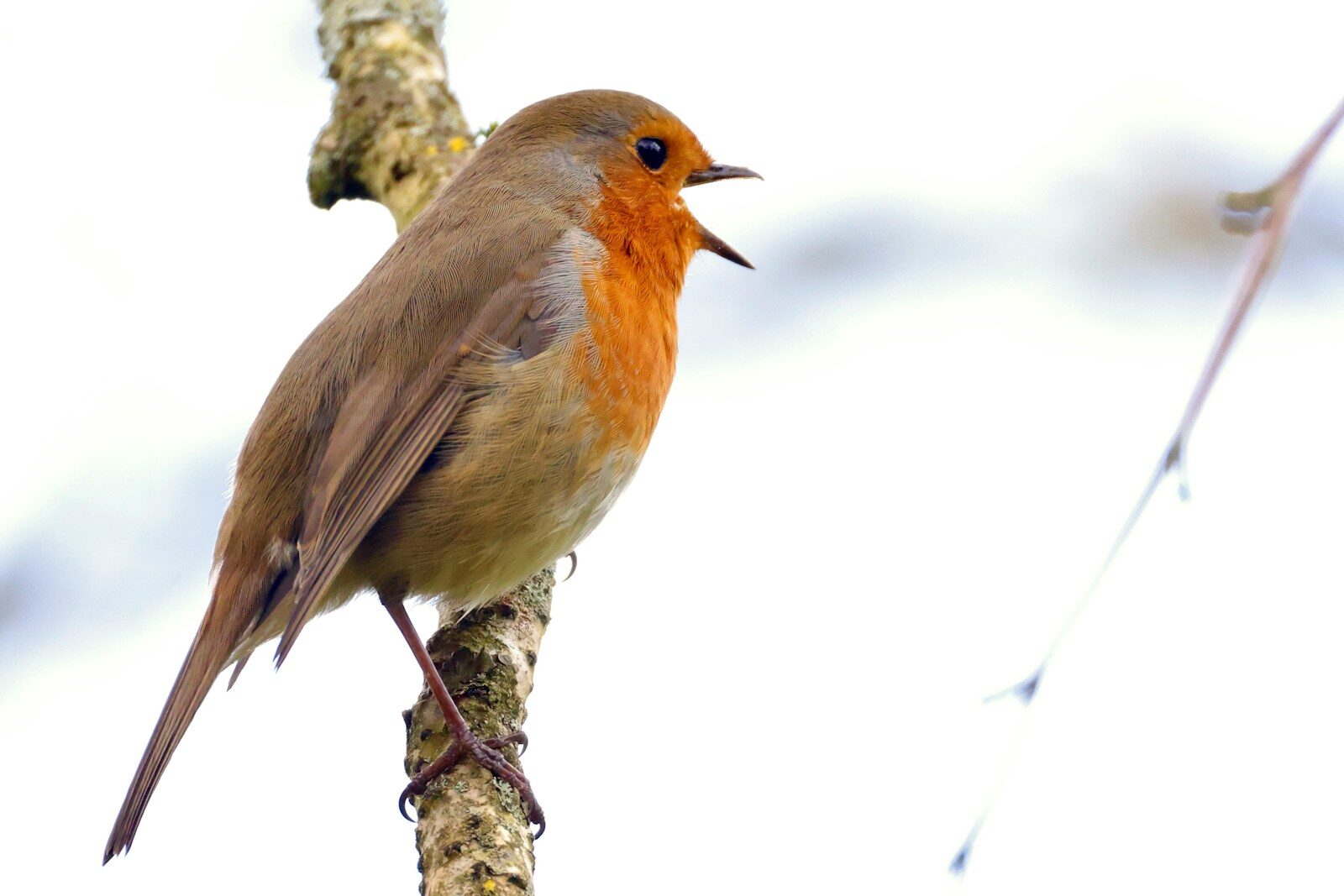
Understanding Bird Vocalizations: What Your Bird Is Saying
The moment I started truly listening to birds — not just hearing them, but listening with attention to context and pattern — my ability to understand and work with them transformed. Birds are extraordinarily vocal communicators, and the range of information embedded in their vocalizations is remarkable once you start decoding it. Beyond being interesting, understanding what your bird is saying is practical: it tells you when they need something, when they’re distressed, when they’re content, and when something in the environment is concerning them.
Contact Calls: The Flock Check-In
In the wild, flock members separated from each other call to maintain contact — “I’m here, where are you?” The response — “I’m here too” — maintains flock cohesion and provides reassurance of safety. In the captive context, your bird uses the same system with you as flock member. When you leave the room, your bird may call — not out of distress necessarily, but to check your location. When you respond (by calling back, whistling, or just saying something acknowledging), the bird typically quiets — the contact call has been answered. This is a fundamental communication exchange that costs you nothing and provides real comfort to the bird.
Ignoring contact calls consistently, particularly early in the bird-human relationship, creates anxiety in birds who are already uncertain about their new environment. Responding — consistently, calmly — establishes you as a reliable flock member and reduces the anxiety-driven escalation of contact calling that owners sometimes create by ignoring it.
Alarm Calls: Something Is Wrong
Distinct from contact calls in quality and urgency — higher-pitched, more intense, repetitive in a way that broadcasts danger. When your bird gives an alarm call, take it seriously: look around for what’s concerning them. Birds notice things humans miss — a predatory bird visible through the window, a strange noise from outside, an unfamiliar object or person. An alarm call that you investigate and respond to (“I see it, you’re okay”) generally quiets the bird more effectively than ignoring it. Some birds develop false alarm calling as an attention-getting strategy if they observe that alarm calls reliably produce dramatic human responses — manage this by responding calmly and briefly, checking the environment, and returning to normal activity without excessive reassurance.
Screaming: The Most Challenging Vocalization
Problem screaming — persistent, loud, apparently unprovoked vocalizations — is the most common behavioral complaint in parrot keeping. Understanding its causes leads directly to effective management.
Boredom/under-stimulation: A bird with insufficient enrichment, insufficient interaction, and nothing to occupy its considerable cognitive capacity will vocalize as a self-stimulatory behavior. The solution is not managing the vocalization — it’s addressing the underlying boredom. Increase enrichment, increase meaningful interaction, ensure adequate out-of-cage time.
Attention-seeking (learned behavior): Birds who have learned that screaming produces immediate human response — you rushing in, engaging with them, even yelling — will scream to produce that response. The inadvertent reinforcement of screaming by responding to it is extremely common. Management: respond consistently to quiet or appropriate vocalizations (go to the bird when it’s calm, engage when it’s making pleasant sounds), and don’t respond to screaming (don’t rush in, don’t yell, leave the room calmly). This is difficult to implement consistently but produces genuine behavioral change over weeks.
Flock calling at dawn and dusk: Many parrots have natural vocal peaks at dawn and dusk — these correspond to natural flock calling patterns. Morning and evening brief periods of loudness are often simply natural behavior that can’t and perhaps shouldn’t be fully suppressed. Accept this as inherent to parrot keeping and manage the noise timing through light schedules (keeping the bird covered slightly longer in the morning delays the dawn calling response).
Content Vocalizations: The Sounds of a Happy Bird
Learning what your bird’s happy sounds are is as important as recognizing distress signals. Soft chattering and muttering — many parrots produce a continuous soft stream of vocalizations when contentedly occupied. Beak grinding (the soft crunching sound of the beak moving back and forth) typically indicates relaxation and often precedes sleep. Purring or soft trilling in some species. In cockatiels, the happy chirp of a bird greeting its reflection or calling softly during its exploration of the cage. In budgies, the continuous enthusiastic burbling of a male talking to himself or to a companion. These sounds mean the bird is well, content, and engaged — exactly what you’re working toward.
Vocalizations as Health Indicators
Changes in vocalization pattern are often the first behaviorally observable sign of illness. A bird who was vocally active and becomes silent — or whose voice has changed in quality (becomes raspier, quieter, different in tone) — may be ill. Respiratory infections affect voice quality directly. The bird who usually greets you and now sits quietly without calling is giving you information. Pay attention to vocal baseline the way you pay attention to other health baselines — changes from normal are signals that merit closer observation and possibly veterinary consultation.