Bird Feather Problems: Understanding Plucking, Damage, and Solutions
When a bird owner calls me about feather problems, the concern in their voice tells me something important — feather changes are often the most visible sign that something is wrong, and they’re appropriately alarming. The spectrum of feather problems in pet birds ranges from entirely normal (molting) to medical emergencies (PBFD, severe skin infections) to complex behavioral issues (feather-destructive behavior). Knowing where on that spectrum your bird falls is the first step to helping them.
Normal Molting
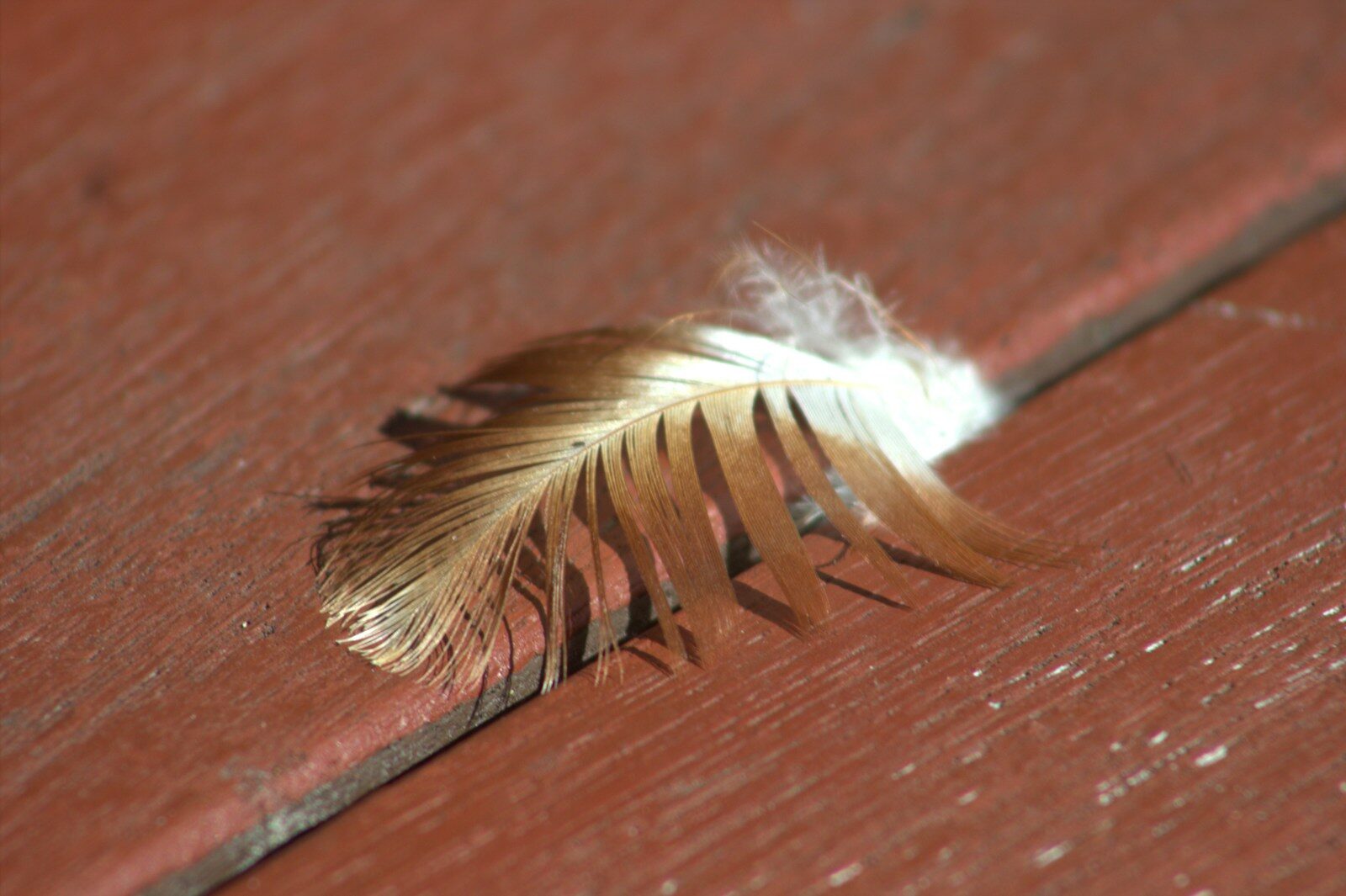
All birds regularly replace their feathers through a process called molting. The timing, pattern, and completeness of the molt varies by species, age, and season. Most pet birds undergo a partial molt once or twice yearly, with a more complete molt typically occurring in late summer or fall. During a normal molt, you’ll see increased feather dust and loose feathers in the cage, pin feathers (new feathers emerging still enclosed in a keratin sheath) on the head and body, and possibly brief periods of reduced singing or activity.
A molting bird may look temporarily untidy and may be slightly more irritable — pin feathers are sensitive and having your head scratched when you have multiple growing pin feathers is uncomfortable. Reduce head scratching during heavy molting or let the bird guide you to areas that feel comfortable. Increase protein and nutrient-rich foods during molt to support feather growth. This is normal. No intervention needed beyond good nutrition.
Feather Destructive Behavior: The Serious Problem
Feather-destructive behavior (FDB) — also called feather plucking — involves a bird over-preening, chewing, or actively removing its own feathers. The result is bare patches, damaged feather shafts, broken feathers, or in severe cases, a nearly completely denuded bird. This is not normal. It is always a sign of something wrong — either medically, psychologically, or both.
Critical rule: Never assume feather plucking is purely behavioral without a thorough veterinary examination first. The list of medical causes is extensive, and treating a behavioral problem when the actual cause is a skin infection, internal disease, or nutritional deficiency will fail and allow the underlying condition to progress.
Medical Causes of Feather Destruction
PBFD (Psittacine Beak and Feather Disease): Circovirus that destroys feather follicles. Feathers grow in abnormal, clubbed, or don’t regrow at all. Diagnosis by PCR test. No cure; affected birds need supportive care and isolation from other birds.
Bacterial skin infections: Secondary infections in damaged or over-preened skin. Feathers in affected areas appear damaged or absent. Diagnosed by bacterial culture. Treated with appropriate antibiotics.
Fungal infections: Aspergillus and other fungi can affect the skin and feather follicles. Diagnosed by culture or biopsy.
External parasites: Mites and lice cause intense irritation that drives over-preening. Diagnosis by visual examination and skin scraping. Treated with appropriate parasiticidal medication.
Internal disease: Liver disease, kidney disease, and other systemic conditions cause skin and feather changes. Blood work and other diagnostics are needed.
Nutritional deficiency: Particularly vitamin A, which is critical for skin and feather integrity. Common in seed-fed birds. Dietary correction alongside veterinary treatment.
Allergies: Contact or food allergies cause skin irritation. Diagnosis is often by elimination. Dietary modification and environmental changes.
Heavy metal toxicity: Lead and zinc cause multiple systemic effects including feather changes.
Behavioral/Psychological Causes
After medical causes are ruled out or treated and plucking continues, the cause is often psychological — essentially a compulsive, self-stimulatory behavior that may have begun in response to stress and has become habitual. Causes include: social deprivation (insufficient interaction, no avian companion when needed), sexual frustration, boredom and understimulation, anxiety, phobias, disruption of bonded relationships, and early life stress.
Management involves addressing the underlying psychological cause and providing alternative behaviors. Increase environmental enrichment substantially — foraging opportunities, new toys, increased interaction. Address social needs. Consider anti-anxiety medication in consultation with an avian veterinarian or veterinary behaviorist — behavioral feather plucking is a genuine psychological disorder that sometimes requires pharmaceutical support to break the cycle. Physical barriers (collars, suits) prevent the mechanical act but don’t address the underlying cause — use them temporarily while building alternative behaviors, not as a sole intervention.
Feather Damage From External Sources
Broken, frayed, or damaged feathers that the bird isn’t causing itself may indicate: barbering by a cagemate (one bird chewing another’s feathers — requires separation), cage bar damage from incorrect bar spacing, or environmental contact damage. Address the source. Blood feathers (broken feathers with the blood supply still intact) require veterinary attention — they can bleed significantly if the shaft is broken near the base and may need to be removed.
When to Call the Vet
Any bird showing new feather loss outside of expected molting patterns, any bird actively over-preening or chewing feathers, any bird with bare patches, any bird with abnormal feather appearance. These are all veterinary calls. Feather problems that seem minor can represent significant underlying conditions — the visible feather change is the symptom, not the disease. Early investigation consistently produces better outcomes than watching and waiting.