Molting in Birds: What’s Normal, What’s Not, and How to Support It
Every bird you will ever own goes through a process of replacing its feathers at regular intervals throughout its life. This process — molting — is as fundamental to bird biology as growing hair is to mammal biology, and it’s equally prone to being misunderstood by owners who don’t know what to expect. Understanding what a normal molt looks like — and what abnormal molting signals — is one of the foundational knowledge areas for any bird owner.
Why Birds Molt
Feathers are biological structures that degrade with use. They’re exposed to UV light, mechanical wear from flight and preening, and the simple passage of time. A feather’s integrity — its insulating ability, its aerodynamic performance, its role in communication and display — diminishes as it ages. Regular replacement keeps the bird in optimal functional condition. Without molting, a bird’s feathers would become increasingly compromised, affecting thermoregulation, flight performance, and the social signaling that feather color and condition provides.
Normal Molt Patterns
Most pet bird species molt once or twice annually. The timing is influenced by day length (photoperiod), temperature, and reproductive cycle. In captive birds kept under artificial lighting with consistent day length and temperature, molts may be less seasonally predictable than in wild birds — birds under artificial lighting can molt at almost any time of year and sometimes seem to be in continuous low-level molt.
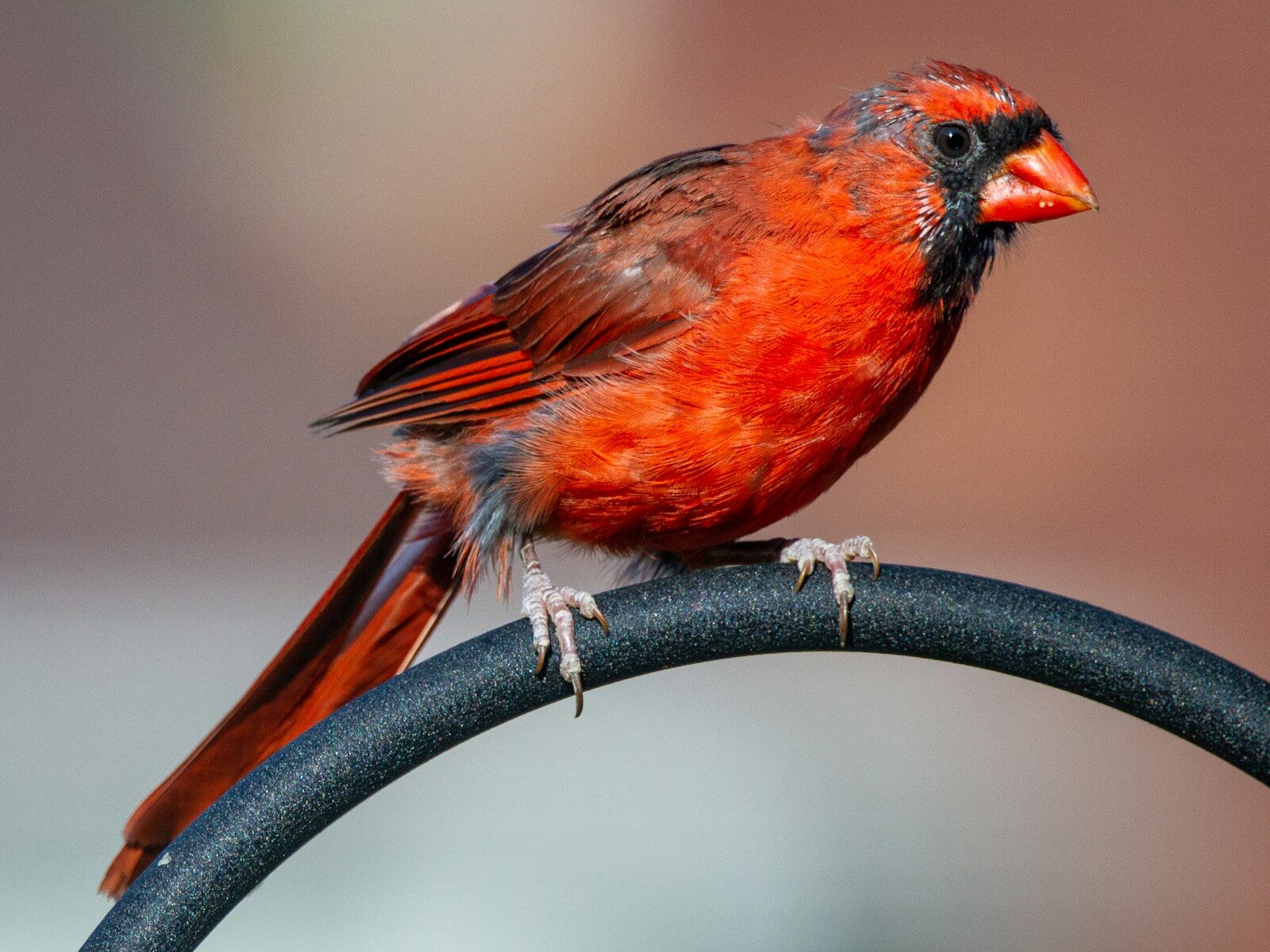
A normal molt is gradual — feathers are replaced symmetrically and progressively, not all at once. A bird who loses all of one wing’s flight feathers simultaneously would be grounded, which is evolutionarily unacceptable. Instead, feathers are dropped and replaced in a specific bilateral pattern that maintains flight ability throughout. You’ll notice loose feathers in the cage and around the bird’s resting areas, pin feathers (new growth still enclosed in a blue-gray keratin sheath) visible particularly on the head, and a generally slightly unkempt look as old feathers are replaced by new ones growing in.
Supporting the Bird Through Molt
Molt is metabolically demanding — the protein required to grow a complete new set of feathers is substantial. Support the molt with increased protein availability: additional egg food, cooked legumes, high-quality protein supplementation. Ensure overall nutritional status is optimal — vitamins A, D3, and K, along with minerals including calcium, all play roles in feather quality. A bird in poor nutritional status going through molt will produce poor-quality feathers — stress bars (thin horizontal lines visible across the feather vane indicating growth interruption), brittle shafts, dull color.
The bird may be slightly more irritable during heavy molt — pin feathers are sensitive and the bird’s body is working hard. Reduce handling pressure during heavy molting periods, and if you do handle, avoid areas with visible pin feathers. Bathing (misting or a shallow bath opportunity) helps the bird keep new feathers clean and can relieve the itching associated with pin feather growth.
Abnormal Molting: When to Be Concerned
Stress bars: Fine horizontal lines across feather vanes visible as banding when you hold a feather up to the light. Indicate a period of nutritional deficiency, illness, or severe stress during the period when that feather was growing. Common in birds from poor early environments; also occur when birds have illness periods during active molt. Stress-barred feathers are weaker and more prone to breaking. Address the underlying nutritional or health cause.
French molt: Specific to budgerigars — a condition in which flight and tail feathers are abnormal or missing, often from fledging age onward. May involve viral (BFDV), nutritional, or genetic factors. Affected birds are often called “creepers” because they walk rather than fly. Mildly affected birds can live reasonably well; severely affected birds have limited quality of life.
Retained feather sheaths: In some cases, particularly in birds with nutritional deficiencies or when the bird can’t preen specific areas (such as the head), new feathers remain enclosed in their keratin sheath rather than emerging normally. These appear as spiky “porcupine” feathers. Gentle assistance — wetting the sheath with warm water and gently rolling it between clean fingers to encourage it to split and release the feather — helps affected areas. Persistent failure of feather sheaths to open warrants veterinary evaluation.
Continuous or excessive molting: A bird that appears to be in constant heavy molt, losing far more feathers than seems appropriate, may have a hormonal disorder, reproductive issue (particularly in females), poor lighting schedule (inconsistent day length disrupts the biological rhythms that regulate molting), or nutritional problem. Veterinary evaluation is appropriate.
No molt at all: Some birds kept under completely consistent artificial lighting without seasonal day-length variation may develop disrupted molt cycles, showing either continuous low-level molt or very prolonged intervals between molts. Providing a more naturalistic light cycle — longer days in summer, shorter in winter — generally normalizes molting patterns.
Distinguishing Molt from Plucking
The critical distinction: in normal molting, pin feathers replace shed feathers and the bird shows new feather growth. In feather-plucking or feather-destructive behavior, the bird removes feathers faster than they’re replaced, creating bare patches without pin feather regrowth in those areas. The bare patch in plucking is usually where the bird can reach with its beak — body, chest, wings, legs. The head is usually untouched in plucking because the bird can’t reach it — bare head feathers indicate a cage mate plucking them. Any bird with bare patches should be evaluated by an avian veterinarian to distinguish plucking from other feather loss causes.