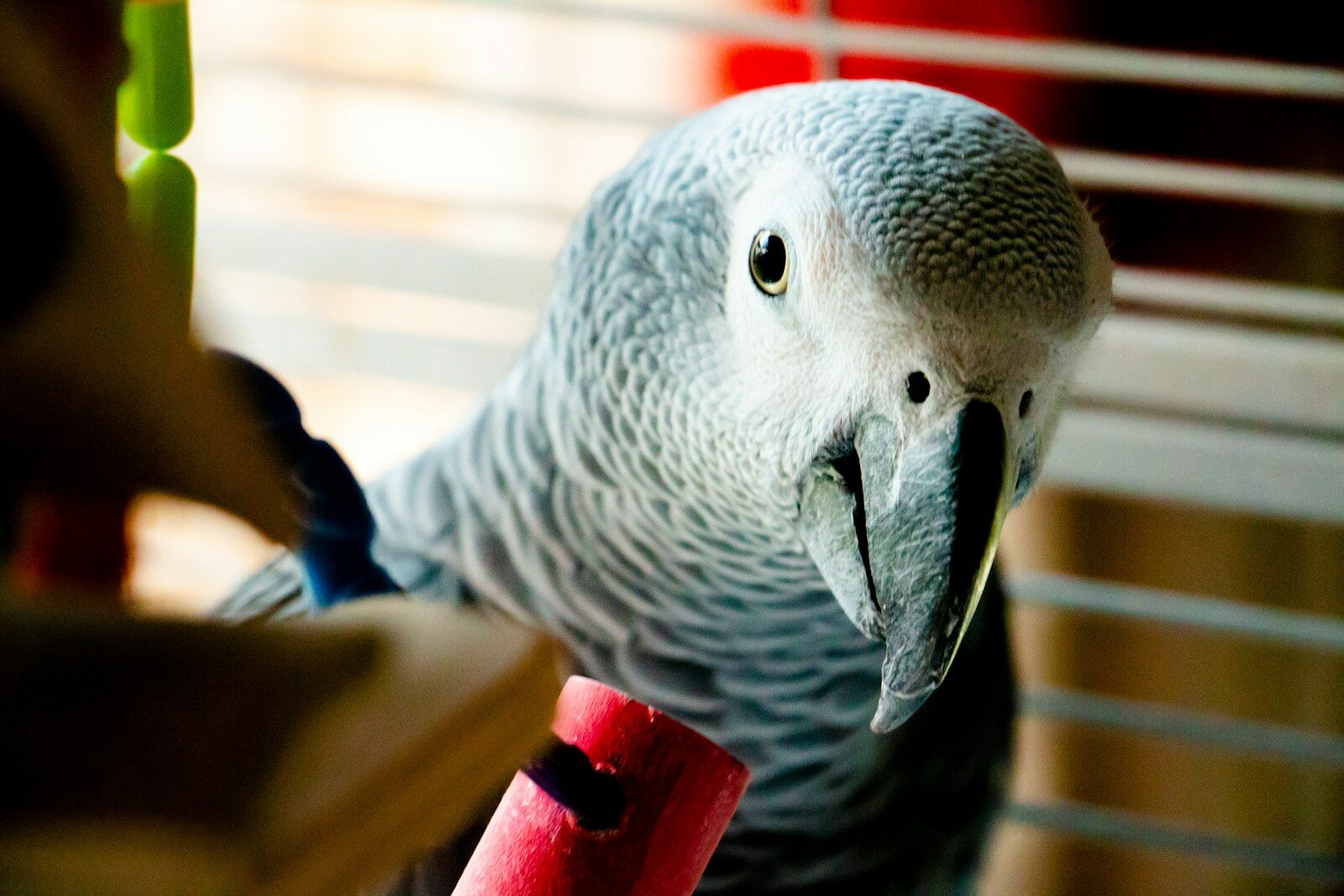
African Grey Parrots: The Complete Owner’s Guide
I want to begin this guide with something that many African grey enthusiasts won’t say directly: these birds are not for most people. Not because most people are bad bird owners, but because the African grey’s needs — cognitive, social, emotional — are among the most demanding of any pet animal, and the consequences of getting it wrong are profound and long-lasting. A bored, neglected, or stressed African grey is a suffering animal that often develops severe behavioral and psychological problems. An engaged, properly cared-for African grey is one of the most remarkable creatures you will ever share your life with. The difference is what this guide is about.
Two Species: Congo vs. Timneh
When people say “African grey,” they typically mean the Congo African Grey (Psittacus erithacus erithacus) — the larger subspecies with bright red tail feathers and a gray body, widely regarded as the most cognitively capable parrot in the world. The Timneh African Grey (Psittacus erithacus timneh) is smaller, with a darker charcoal gray coloring and a maroon tail. Timnehs are generally considered to be slightly less intense in personality, somewhat earlier to talk, and possibly more adaptable to household changes — attributes that make some experienced owners specifically prefer them. Both are intelligent, demanding birds requiring the same level of commitment.
Intelligence: What the Research Shows
Dr. Irene Pepperberg’s 30-year research program with an African grey named Alex produced results that fundamentally changed scientific understanding of animal cognition. Alex demonstrated an understanding of categories (shape, color, material), the concept of zero (in some contexts), and used language not as conditioned mimicry but as a communication tool — asking questions, correcting his trainers when they made errors, and expressing preferences. His last words to Dr. Pepperberg before he died — “You be good, I love you. I’ll see you tomorrow” — were part of his established routine parting phrase. He died overnight unexpectedly at age 31.
What this means practically: your African grey is not a feathered tape recorder. It is an animal with something approaching genuine understanding of its world and its relationships. It will know when your routine has changed. It will notice when you’re upset. It will recognize individual family members, visitors, and strangers. It will develop opinions about things and express them. This is what makes African greys extraordinary companions. It is also what makes them so demanding — an animal with this level of cognitive and emotional capacity needs substantial engagement to live well.
Sensitivity: The Double-Edged Trait
African greys are among the most emotionally sensitive of all pet birds. They form deep pair bonds and are profoundly affected by disruptions to those bonds. Changes in routine, loss of a bonded person (through divorce, death, extended absence), arrival of a new person in the household, or move to a new home can cause significant psychological distress manifesting as feather-plucking, screaming, aggression, or withdrawal. I’ve worked with African greys who plucked themselves almost completely bare after their primary owner left for college or divorced their partner.
This sensitivity is not a flaw to be corrected. It’s a core characteristic that requires management. Strategies: don’t bond the bird exclusively to one person in a multi-person household — encourage interaction with multiple family members. Prepare the bird for changes when possible. Maintain consistency in daily routines even when life is disrupted. Address feather-plucking behavior immediately with veterinary and behavioral evaluation.
Housing
A Congo African grey requires a cage large enough to spread its wings fully in all directions — minimum 36 inches wide by 24 inches deep by 48 inches tall, with preferably larger. Bar spacing: 3/4 to 1 inch. Stainless steel construction. Provide destructible toys, foraging opportunities, and multiple perch types. African greys benefit significantly from time outside the cage — a dedicated playtop or floor stand with foraging and enrichment options allows them to spend supervised time out of the cage during the day.
Diet
African greys have a well-documented propensity for hypocalcemia (low blood calcium) and vitamin A deficiency — both partly attributable to seed-heavy diets. High-quality pellets (Harrison’s High Potency is widely recommended by avian veterinarians for greys) should form the foundation of the diet, supplemented with fresh vegetables rich in calcium and vitamin A (dark leafy greens, sweet potato, broccoli, carrots), and limited fruit. Seeds as treats only. African greys seem to have a behavioral preference for nuts — almonds, walnuts, and Brazil nuts are nutritious treats when offered in moderation. Brazil nuts are high in selenium which benefits African greys specifically.
Daily Life and Mental Engagement
Minimum two to four hours of direct, engaged interaction daily. This is not “being in the room.” It’s active engagement: training sessions, foraging activities, conversations, handling. In addition to direct interaction, African greys need a rich passive environment when you can’t be engaged — window views with outdoor activity, a variety of toys rotated regularly, foraging setups that require problem-solving to access food. A grey who is adequately stimulated will self-entertain constructively during time alone. One who is bored will find destructive outlets.
Veterinary Care
Annual avian veterinary checkups with comprehensive bloodwork. African greys are susceptible to Aspergillosis (fungal respiratory infection), PBFD, proventricular dilatation disease, and hypocalcemia. Early detection through routine monitoring is the standard of care for a species that hides illness until it’s advanced. Find a vet with specific African grey experience — this species has specific health considerations that a generalist avian vet may not be fully versed in.
The Long Commitment
A well-cared-for African grey lives 40 to 60 years. Some live longer. You are very likely taking on a companion who will outlive you — estate planning for your bird is a genuine and important consideration. Who will care for your grey when you can no longer? Establish a relationship with a rescue organization or a trusted person in the bird community who would provide appropriate care. An African grey who loses its bonded owner and ends up in inadequate secondary care is a genuinely tragic outcome that responsible ownership should proactively prevent.