Wild Bird Feeding: Creating a Backyard Sanctuary
Creating a backyard that attracts wild birds is one of the most accessible and rewarding things a bird enthusiast can do. You don’t need acreage or a country property. A thoughtfully set-up urban or suburban garden can attract a surprising diversity of species, provide genuine habitat value for birds under pressure from habitat loss, and offer the particular pleasure of watching birds go about their lives without the intermediation of captivity.
The Right Feeders for the Right Birds
Different bird species feed in different ways and on different food, and matching feeder type to target species makes the difference between a feeder that attracts everything and one that attracts specific birds you want to see.
Platform or tray feeders: The most versatile — accessible to virtually every species that will visit your garden. Place low for ground-feeding species (doves, thrushes, blackbirds), higher for smaller passerines. Drain holes are essential to prevent seed from becoming wet and moldy. Provide a variety of seeds on platform feeders: sunflower (hearts or whole black oil sunflower), millet, safflower, milo.
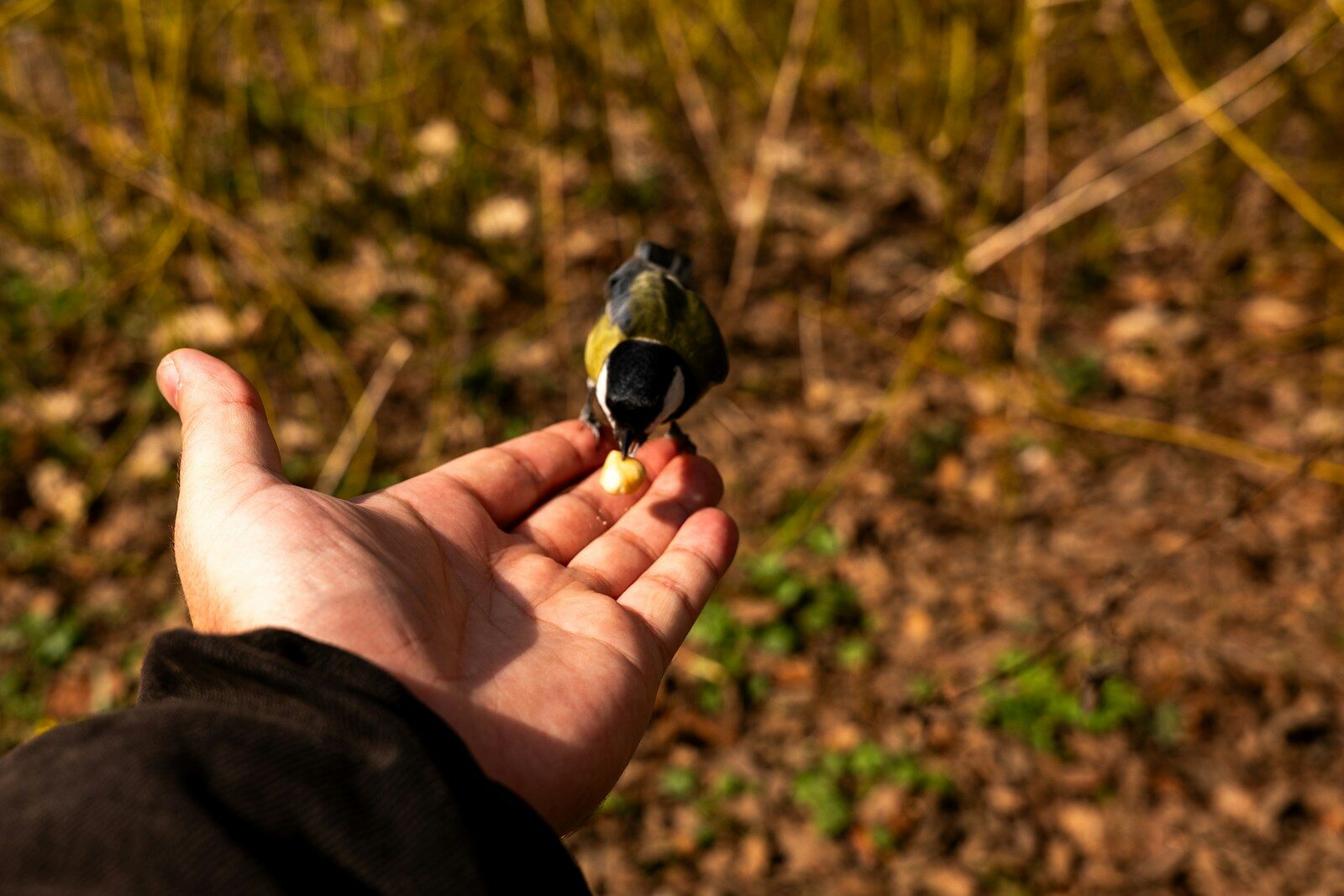
Tube feeders: The small port openings attract smaller birds (finches, tits, sparrows) while excluding larger aggressive species. Fill with nyjer (thistle) seed to attract goldfinches and other finches specifically. Sunflower hearts in a tube feeder attract a wider variety of finches. Clean tube feeders thoroughly every two weeks — the narrow interior harbors mold if seeds get wet.
Suet cages: Wire cages holding blocks of suet (rendered fat often mixed with seeds, berries, or insects) attract woodpeckers, nuthatches, treecreepers, and starlings. Highly valuable winter feeding when natural insect availability is low. Position on tree trunks or near wooden structures to attract woodpecker species specifically.
Hummingbird feeders (North America): The simple nectar recipe: 4 parts water to 1 part plain white sugar, boiled briefly, cooled before filling. Never use red food dye, honey (ferments and causes disease), or artificial sweeteners. Change nectar every 3-4 days in warm weather; every 7 days in cool. Clean thoroughly at each change with a bottle brush.
Water: Often More Valuable Than Food
A reliable water source attracts more birds than almost any feeder. Clean, fresh water for drinking and bathing is a genuine limiting resource in many gardens, particularly in summer. A simple shallow dish 1-2 inches deep, placed near but not under feeders (falling seeds contaminate water quickly), cleaned and refilled daily, will attract birds that never visit feeders at all — including many insectivores who have no interest in seed but will visit for water. Adding a dripper, fountain, or mister that creates movement in the water significantly increases attraction, as moving water catches light and sound in ways that birds detect from a distance.
Native Plants: The Foundation of Real Habitat
Feeders attract birds to your garden; native plants keep them there and support them through the full year. Native plants host the native insect populations that form the base of the food chain for virtually all bird species during breeding season — even seed-eating birds feed insects to their nestlings. A garden with good native plant structure can attract nesting pairs, not just feeding visitors.
Research native plants appropriate to your region and choose for layered habitat: a canopy layer (native trees), understory layer (native shrubs and small trees), and ground layer (native groundcovers and grasses). Berry-bearing native shrubs provide critical late-season food. Native seed-bearing grasses and wildflowers provide winter food and cover.
Safety at Feeding Stations
Feeding stations that aren’t positioned correctly increase predation risk — primarily from cats, but also from raptors. Position feeders at least 5 feet from any cover that could conceal an approaching predator. Wire guards around feeders raise small birds’ eye level for better predator detection. If cats visit your garden regularly, ground-level or low feeders become dangerous — keep food elevated. Preventing window strikes: feeders positioned very close to windows (within 3 feet) or far away (more than 30 feet) are safer than the dangerous intermediate zone where birds build up flight speed before impact.
Seasonal Considerations
Adjust your feeding approach seasonally. In breeding season (spring-summer), avoid putting out whole peanuts or large food items near nests — these can choke nestlings if adults carry them back to the nest. Suet with insects or mealworms supports the increased protein demands of breeding adults. In winter, high-fat foods (suet, nyjer, black oil sunflower) provide the caloric density that cold birds need to maintain body temperature overnight. Live or dried mealworms attract robins, bluebirds, and other insectivores through winter when invertebrates are scarce.
Disease Prevention at Feeders
Concentrating birds at feeders creates disease transmission risk. Manage this: clean feeders thoroughly every two weeks with a dilute bleach solution (1 part bleach to 9 parts water), rinse completely, and dry before refilling. Rake up spilled seed under feeders regularly — decomposing seed harbors mold and bacteria. If you observe sick birds at feeders (fluffed, lethargic, sitting on the ground), take down feeders for two weeks to disperse the birds and reduce disease spread. Report sick bird observations to local wildlife health programs.