Bird-Safe and Toxic Foods: Complete Guide to What Birds Can and Can’t Eat
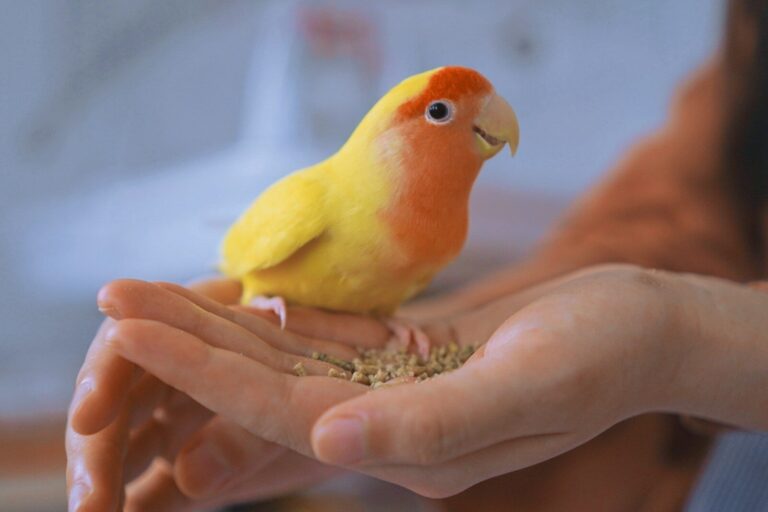
One of the most important things a bird owner can know is what their bird can and cannot safely eat. The list of genuinely toxic foods isn’t enormous, but the items on it are common household foods that birds may be exposed to regularly without their owners realizing the danger. A bird who shares in your meals deserves your understanding of which parts of those meals are safe and which could kill them.
The Absolute No List: These Can Kill
Avocado: The most important food to keep away from birds. All parts of the avocado plant — flesh, pit, skin, and leaves — contain persin, a compound that causes cardiac damage, respiratory distress, and death in birds. There is no safe dose. A small amount of guacamole on a chip that the bird steals is enough to cause serious harm. This is not a theoretical risk — avocado toxicity is one of the more common bird poisonings I’ve seen. Keep avocado completely away from birds.
Chocolate and cocoa: Contain theobromine and caffeine, both toxic to birds. Cause vomiting, diarrhea, seizures, and cardiac arrhythmias. Dark chocolate is more toxic per gram than milk chocolate, but no amount of chocolate is safe for birds. Cocoa powder is extremely concentrated and extremely dangerous.
Caffeine: Coffee, tea, energy drinks, soda containing caffeine — all toxic to birds. Cause cardiac arrhythmias, seizures, and death. Even small amounts are dangerous given a bird’s body weight.
Alcohol: Rapidly toxic to birds at amounts that would be trivial to humans. Causes central nervous system depression, liver failure. Never allow birds access to any alcoholic beverage.
Fruit pits and apple seeds: Stone fruit pits (cherry, peach, apricot, plum, nectarine) and apple seeds contain cyanogenic compounds that release hydrogen cyanide. Remove all pits and seeds before offering stone fruits. Apple flesh is fine; apple seeds are not.
Onion and garlic: Both contain compounds that damage red blood cells in birds, causing hemolytic anemia. All forms — raw, cooked, powdered — are toxic. Garlic in particular is often added to foods without being obvious. Check ingredients when sharing cooked food.
Mushrooms: Many mushroom species are toxic to birds. The risk varies by species, but there’s no reliable way to determine safe from unsafe in mixed mushroom products, so avoid mushrooms entirely for birds.
Rhubarb: Contains oxalic acid at levels toxic to birds. Keep away entirely.
High-salt foods: Salt disrupts fluid balance in birds at much lower quantities than in mammals. Chips, pretzels, crackers with visible salt, and heavily seasoned foods should not be shared with birds.
Xylitol: The artificial sweetener found in sugar-free gum, some peanut butters, and other sugar-free products. Toxic to many animals; while research specifically in birds is limited, avoid it as a precaution.
The Safe and Beneficial List
Vegetables: The most nutritionally valuable category for birds. Dark leafy greens (kale, collard greens, dandelion greens, Swiss chard, romaine) — rich in vitamins A, C, K, and calcium. Sweet potato (cooked) — excellent vitamin A source. Carrots — beta-carotene. Broccoli, cauliflower, Brussels sprouts — vitamin C and calcium. Sweet peppers (red, yellow, orange) — very high vitamin C. Corn — well-accepted by most birds, enjoyed as corn on the cob. Peas and green beans. Beets. Cucumber and zucchini — lower nutritional density but high water content and well-accepted by many birds.
Fruits (in moderation): Berries of all types (blueberries, raspberries, strawberries, blackberries) — high antioxidants. Mango, papaya, kiwi — rich in enzymes and vitamins. Pomegranate — very high antioxidants, often well-loved by parrots. Citrus in small amounts. Melon. Banana. Pear and apple (seeds removed).
Grains and legumes: Cooked brown rice, quinoa, cooked pasta, cooked beans of all varieties (kidney, black, chickpea, lentil), cooked corn. Whole grains provide fiber and nutrients that support digestive health.
Protein sources: Hard-boiled or scrambled egg (without salt or butter) — excellent protein, well-accepted by most birds. Cooked chicken or turkey in small amounts (yes, parrots can safely eat cooked poultry). Cooked fish in small amounts for species that accept it.
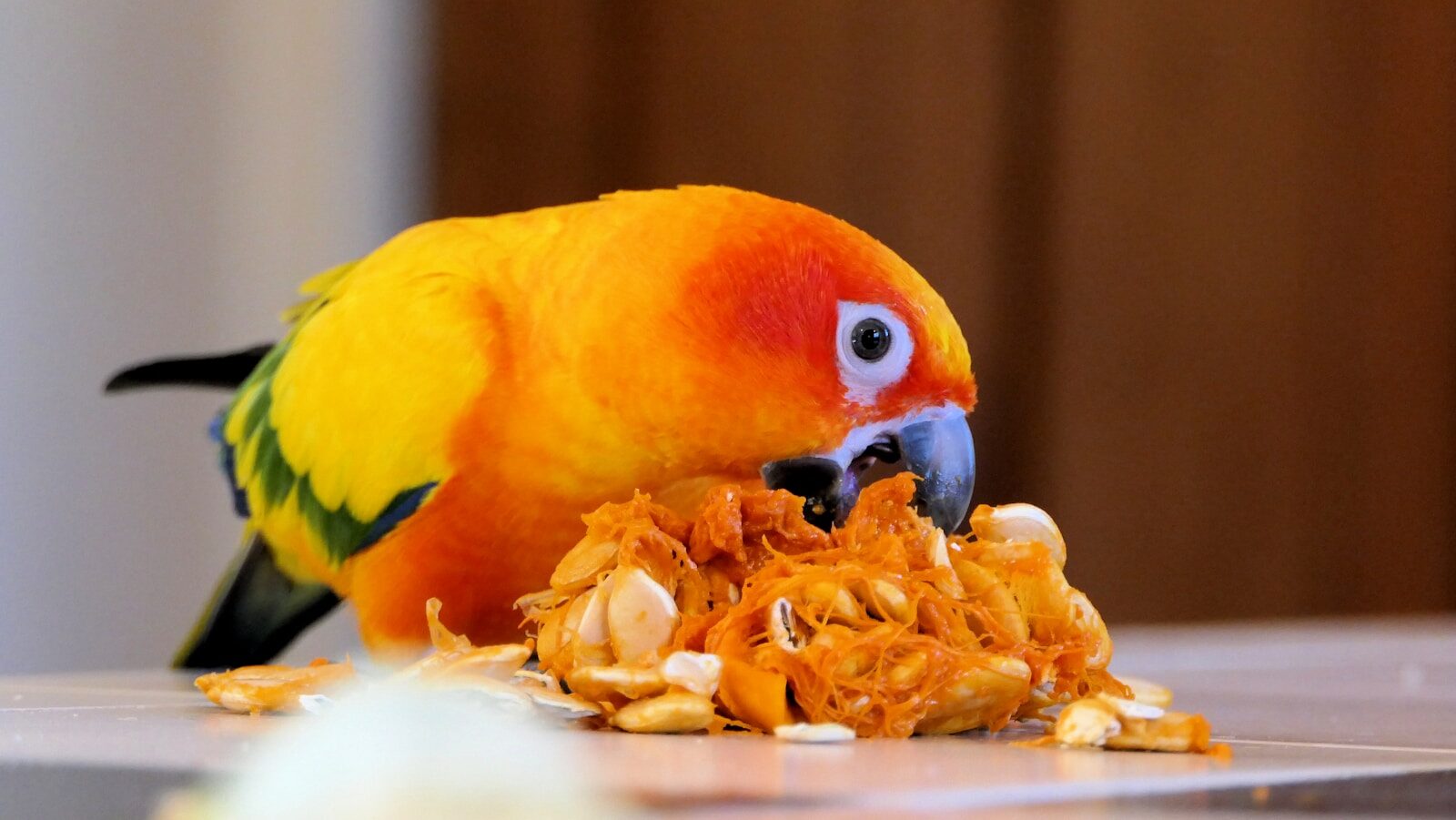
Nuts: Almonds, walnuts, Brazil nuts, cashews, and other unsalted, unroasted nuts are nutritious and well-loved by most parrots. High in fat, so appropriate as treats or training rewards rather than dietary staples. Brazil nuts are particularly beneficial for African greys due to their selenium content.
Herbs: Fresh herbs are generally safe and nutritious — basil, cilantro, parsley, dill, mint, chamomile. Many birds enjoy them as foraging enrichment.
When in Doubt
The principle for bird food safety: when in doubt, don’t offer it until you’ve verified its safety from a reputable source. The no-list items above are the most important to know absolutely. For foods not on either list, research before offering. Your avian veterinarian is the best resource for species-specific dietary questions. And if your bird has eaten something you think might be toxic, call your avian vet or a pet poison control line immediately — don’t wait for symptoms to develop.