Canary Care: Everything About Keeping These Beautiful Singers
Canaries have been kept as pets for over 500 years, and the reasons haven’t changed: the song of a healthy male canary in good breeding condition is one of the most beautiful sounds a home can contain. What has changed is our understanding of what canaries need to thrive — and the answer is considerably more than the small cage and weekly seed change that used to be considered adequate. Here’s the complete picture.
Types of Canaries
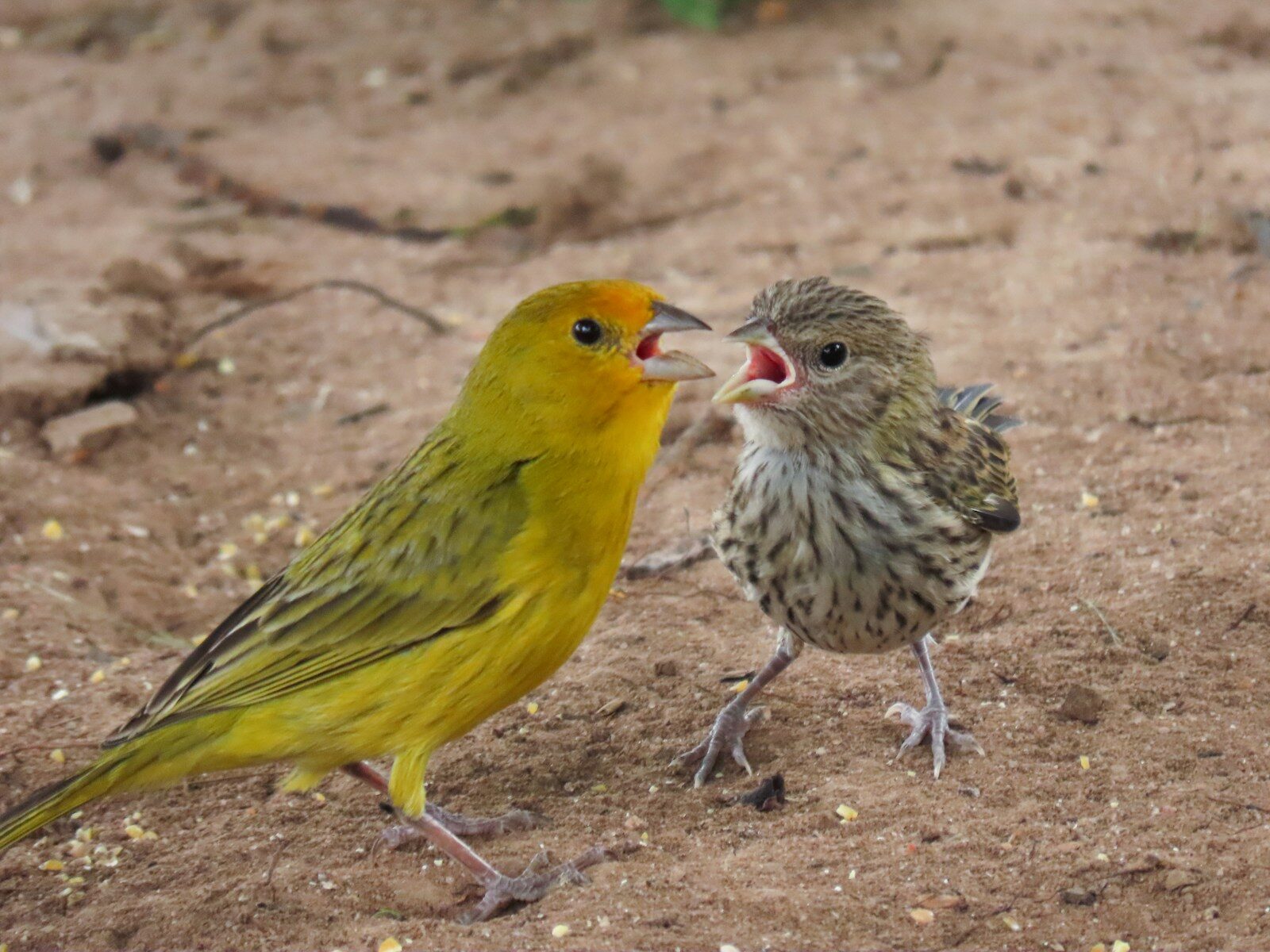
There are three broad categories of canary varieties, each bred for different qualities. Song canaries are bred for vocal ability — the Roller (bred to sing with a closed beak in a soft, complex rolling song), the American Singer, the Waterslager (Belgian waterslager), and the Spanish Timbrado each have distinct and beautiful song styles. If the song is your primary interest, research specific song varieties and if possible, listen to recordings before choosing. Color canaries are bred for specific color mutations — yellow, red factor, white, variegated, and many others. Red factor canaries require a carotenoid-rich diet (or color-feeding supplements) to maintain their red coloration. Type canaries are bred for specific body shape and feather conformation — Glosters, Frills, Lancashire, and others. Each type has specific characteristics and some have health considerations associated with their conformation.
Sex Determination and Song
Only male canaries sing the full, complex songs they’re known for. Females produce simple calls and occasional short phrases but not the extended melodious song. If song is your priority, you want a male. Sex can be difficult to determine outside of breeding season in young birds — during breeding season, males may be observed singing or displaying, and venting examination by an experienced keeper or vet can confirm sex. Many sellers can reliably sex birds by song (a young male will attempt song even before he’s developed full adult song) in birds old enough to have begun vocalizing.
Housing
Canaries don’t need to be handled daily and don’t require the social stimulation of parrots, but they absolutely need space to fly. A flight cage of at least 24 inches wide by 16 inches deep by 20 inches tall for a single bird, with longer horizontal dimension prioritized over height. Natural wood perches of varying diameter. Keep males separated — two males in the same cage will fight and cause serious injury. A male-female pair will usually coexist well outside breeding season but should be monitored during breeding season when the male may become aggressive toward the female if she rejects his advances.
Nutrition
Unlike parrots, canaries do relatively well on a quality seed mix as their dietary foundation — but the seed mix alone is not sufficient. A good canary seed mix typically contains canary grass seed, millet, and often some hemp and niger seed. Supplement daily with: fresh greens (kale, dandelion greens, spinach in moderation, chickweed if available), egg food (commercially prepared or home-made with hard-boiled egg and breadcrumbs) two to three times weekly for protein, and fresh fruit occasionally. Grit for digestive assistance. Cuttlebone for calcium. Fresh water changed daily.
During the breeding season and molt, nutritional demands increase substantially. Increase egg food frequency, ensure greens are offered daily, and consider soft food supplementation. A canary going through molt needs particularly good nutrition to grow quality feathers — poor nutrition during molt produces poor feathers that affect the bird for the following year.
The Singing Environment
A male canary sings most freely when he feels secure, healthy, and properly conditioned. Factors that encourage singing: appropriate light cycles (12-14 hours of light daily), good nutrition particularly during the singing season (winter-spring), absence of stress from predatory animals visible from the cage (cats, dogs that stare at the cage), and temperature stability. Covering the cage for part of the day in a quiet area can encourage a shy singer. An unhealthy canary stops singing — a silent bird that previously sang is a bird to check on closely.
Health Considerations
Air sac mites (Sternostoma tracheacolum) are a significant health threat in canaries. These microscopic mites infest the trachea and air sacs, causing respiratory distress — labored breathing, clicking sounds when breathing, reduced song, and eventually death if untreated. Treatment with ivermectin is effective when caught early. Annual preventive treatment is appropriate in aviaries. Any canary with respiratory signs needs avian veterinary attention promptly.
Megabacteriosis (Avian Gastric Yeast infection, caused by Macrorhabdus ornithogaster) is common in canaries, causing chronic weight loss, vomiting, and regurgitation. Often subtle in early stages. Diagnosis by fecal examination. Treatment with amphotericin B. Annual fecal testing is appropriate preventive practice.
Lifespan and Long-Term Care
Well-cared-for canaries live 10 to 15 years. Over that time, maintaining consistent care quality, monitoring for the subtle behavioral changes that signal health issues, and providing seasonal variation in diet and light that supports natural biological rhythms keeps canaries in optimal condition throughout their lives.