Cockatiel Care: What Every New Owner Needs to Know
In over a decade of working with pet birds, cockatiels occupy a special place in my experience. They have the gentleness that makes them forgiving of beginner mistakes, the intelligence that makes them genuinely interesting to live with, and the affectionate nature that makes the relationship deeply rewarding. They’re also the bird I’ve seen most commonly kept in conditions that don’t serve them — not out of cruelty, but out of the pervasive myth that they’re simple starter pets that don’t require much. They require quite a bit, just not beyond what a motivated owner can provide.
The Cockatiel’s Nature
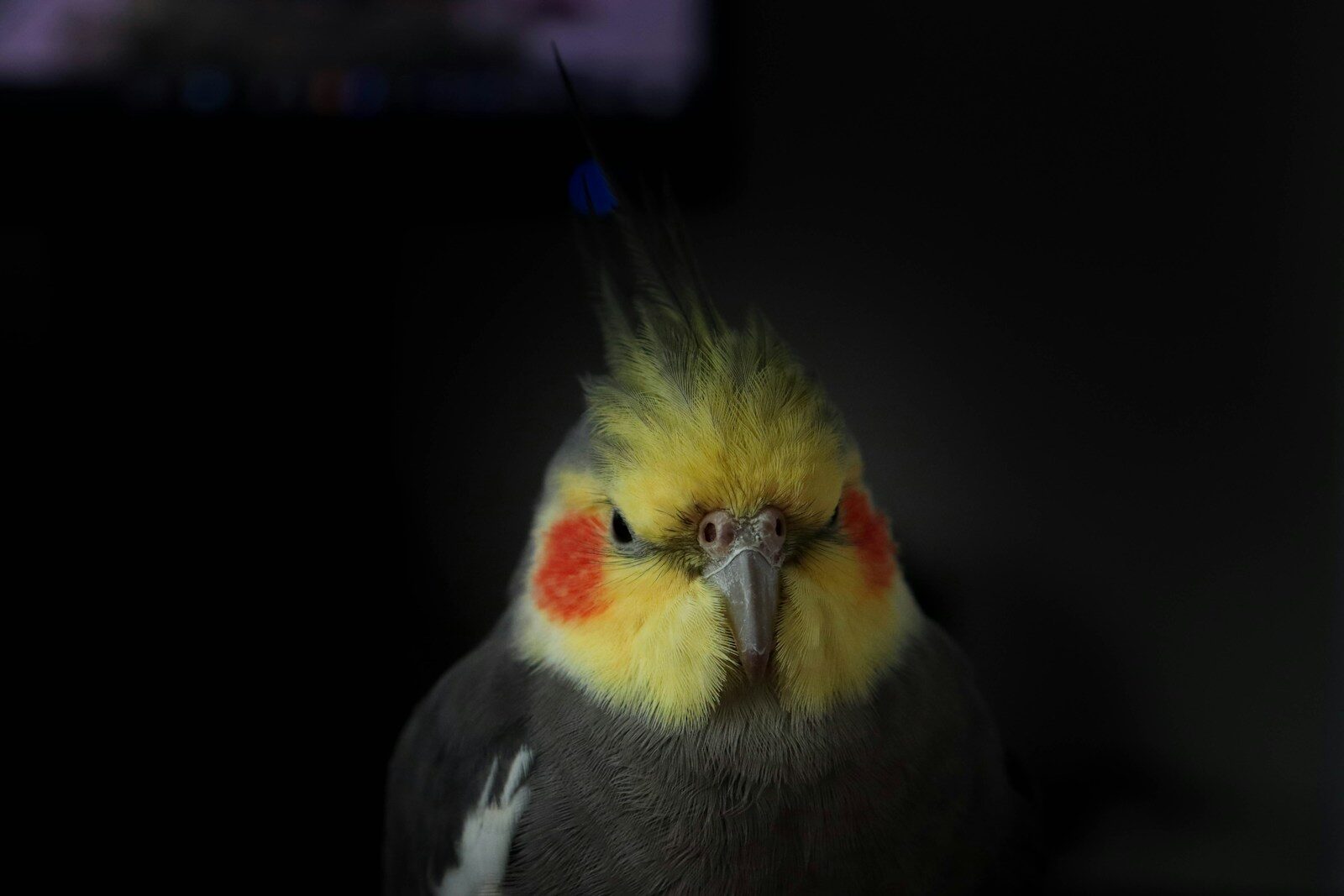
Wild cockatiels are native to Australia, where they live in large nomadic flocks across open woodland and grassland. They’re constantly in motion, highly social, and communicate through an extensive repertoire of vocalizations, crest positions, and body postures. A cockatiel’s crest is one of the most expressive body language indicators in the bird world — learning to read it tells you exactly what your bird is experiencing at any moment.
Crest fully erect and fanned: highly excited, startled, or alarmed. Crest erect but relaxed: alert and engaged. Crest flat against the head: frightened, aggressive, or extremely uncomfortable — this is a warning sign. Crest at half-mast, relaxed body: content, comfortable, happy. Crest feathers slightly raised in a soft manner while purring or grinding the beak: profound contentment, often seen before sleep.
Housing Requirements
Cockatiels are active birds that need space to move. The minimum cage size for a single cockatiel is 24 inches wide by 18 inches deep by 24 inches tall — and I consider this an absolute minimum, not an ideal. A larger flight cage that allows genuine wing extension and short flights between perches is significantly better for the bird’s physical and psychological wellbeing.
Perch variety matters enormously. Uniform wooden dowel perches of identical diameter cause pressure points on the foot that lead to foot problems over time. Provide natural wood branches of varying diameter, a rope perch for comfortable resting and beak conditioning, and a concrete or pumice perch for nail maintenance. Cockatiels spend most of their time perched, and the quality of those perches directly affects their physical comfort.
Cockatiels produce significant feather dust — more than most small birds. This is normal and comes from powder down feathers that maintain coat condition. In households with respiratory sensitivities or asthma, this is an important consideration. Regular cage cleaning, an air purifier near the cage, and good room ventilation manage the dust effectively.
Diet: Beyond the Seed Cup
The commercially sold cockatiel seed mixes are inadequate as a sole diet. They’re typically high in fat (particularly sunflower seeds, which cockatiels love disproportionately and will eat exclusively if allowed) and deficient in protein, vitamins A, D, and other nutrients. Obesity and fatty liver disease in cockatiels kept on seed-heavy diets is common and significantly reduces lifespan.
The ideal cockatiel diet: high-quality pelleted food formulated for cockatiels or small parrots as the foundation (60-70% of diet), supplemented with fresh vegetables (30%), and seeds offered in limited quantities as enrichment or treats (10% maximum). Converting a seed-addicted cockatiel to pellets requires persistence — offer pellets first thing in the morning before seeds, maintain the offering for weeks, and don’t be deterred by initial rejection. Most cockatiels eventually accept pellets, especially when they see their owner “eating” them enthusiastically (picking up and appearing to eat the pellets yourself is genuinely effective at encouraging bird curiosity).
Safe vegetables: dark leafy greens, broccoli, corn, sweet potato, cooked (not raw) beans, carrots, peas. Occasional fruit treats. Hard-boiled egg in small quantities provides excellent protein. Cuttlebone and mineral blocks for calcium.
Absolute avoidances: avocado (contains persin, which causes cardiac failure in birds), chocolate, alcohol, caffeine, onion, garlic, fruit pits and apple seeds, any heavily processed or salty human food.
Social and Psychological Needs
Cockatiels kept alone need a minimum of 2 hours of direct interaction per day. This isn’t “being in the same room” time — it’s engaged interaction: handling, training sessions, play, or at minimum active verbal engagement while they’re out of the cage. A cockatiel who spends most of its day in a cage watching a room it isn’t included in will develop behaviors that signal chronic stress: screaming, feather-picking, repetitive movements, or loss of tameness.
If your schedule genuinely can’t support this, consider keeping two cockatiels. A bonded pair provides social needs for each other and reduces the owner’s interaction requirement. The concern that paired birds ignore their owners is addressable through consistent handling — paired birds who are regularly handled maintain their human relationships alongside their bird-to-bird bonds.
Training and Bonding
Cockatiels are among the most receptive small birds to training. Step-up — stepping onto an offered finger or hand — is the foundation behavior. Lure the bird with a finger pressed gently against the lower belly above the feet, which triggers the stepping-up reflex. Reward immediately with praise and a favored treat. Short sessions, multiple times daily, build reliable step-up behavior within one to two weeks for most hand-raised birds.
From step-up, cockatiels can be trained to wave, turn around, recall by name, step onto scales for health monitoring, and in some cases, enter their cage voluntarily on cue — all through the same positive reinforcement approach. The whistling ability of male cockatiels makes them particularly satisfying training subjects; they can learn complete whistled tunes with consistent patient teaching.
Common Health Issues
Respiratory infections, feather cysts, egg binding in females, fatty liver disease from high-fat diets, and psittacosis are the most common health issues in cockatiels. Egg binding — a female unable to pass a formed egg — is a genuine emergency requiring immediate veterinary attention. Signs include a female bird on the cage floor, straining, tail bobbing, and distended abdomen. Night frights — sudden panic episodes at night triggered by shadows or sounds — are common in cockatiels and can be managed with a low-wattage night light near the cage. Annual avian vet visits are the appropriate standard of preventive care.
What to Expect Over Time
With good care, cockatiels live 15 to 20 years. Over that time, a well-socialized cockatiel becomes genuinely woven into the fabric of the household — greeting family members, learning routines, developing clearly individual personalities and preferences. The relationship that develops between a cockatiel and a committed owner is one of the genuinely remarkable things available in the world of pet birds. Give it the foundation it deserves from the start.