What Birds Should Actually Eat: Complete Nutrition Guide
If there’s one area where bird ownership most commonly fails birds, it’s nutrition. The commercial seed mix in the pet store aisle is not a complete diet for most pet birds, and the persistence of the all-seed diet myth has contributed to an epidemic of nutritional disease in captive birds. After years of working with sick birds whose problems traced directly to what they were being fed, I want to give you the clear, honest picture of what birds actually need.
Why Seeds Alone Are Inadequate
Seeds are not inherently bad for birds. In the wild, many parrot species eat significant quantities of seeds as part of a varied diet that also includes fruits, vegetables, flowers, bark, insects, and mineral-rich soil. The problem with the captive seed-only diet is that it provides one component of a naturally varied nutritional profile without the rest.
Seeds are high in fat and carbohydrates. The average commercial seed mix is roughly 40-50% fat by caloric content. Birds on high-seed diets consistently develop obesity, fatty liver disease (hepatic lipidosis), and vitamin deficiencies — particularly vitamin A, which is abundant in leafy greens and orange-yellow vegetables but absent from seeds. Vitamin A deficiency causes immune suppression, respiratory infections, poor feather quality, and eye problems. It’s one of the most common nutritional diseases I see, and it’s entirely preventable.
The Species-Specific Foundation
Nutritional needs vary significantly between bird species, and good feeding starts with understanding your specific bird’s biology.
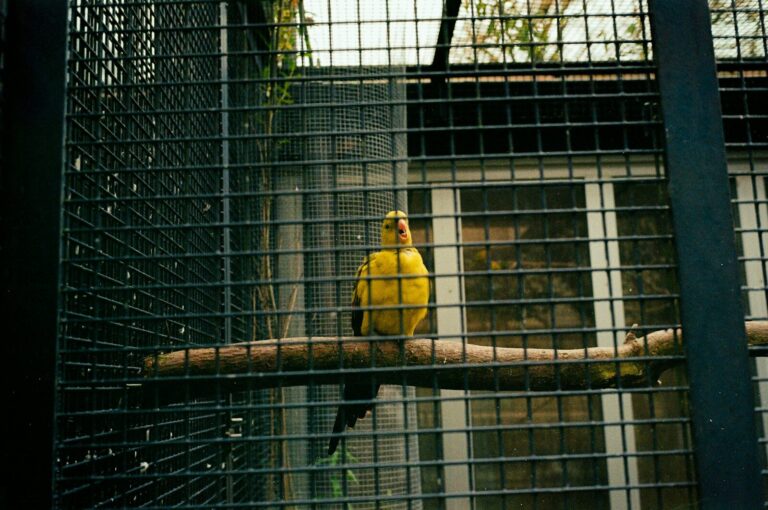
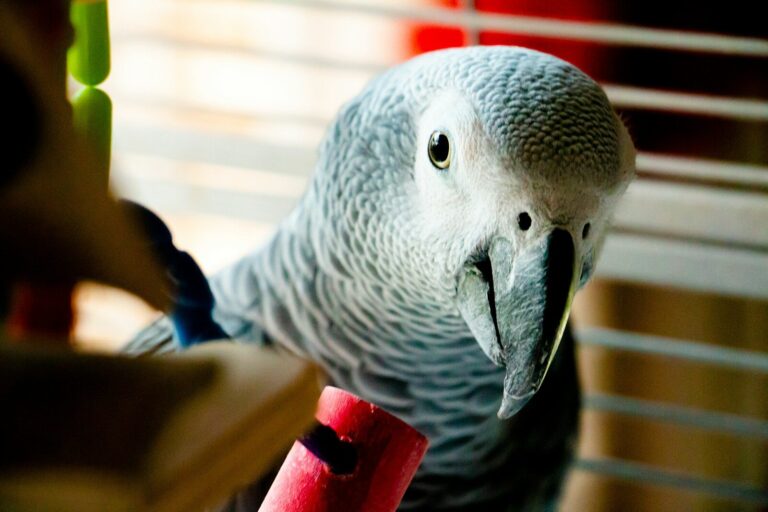
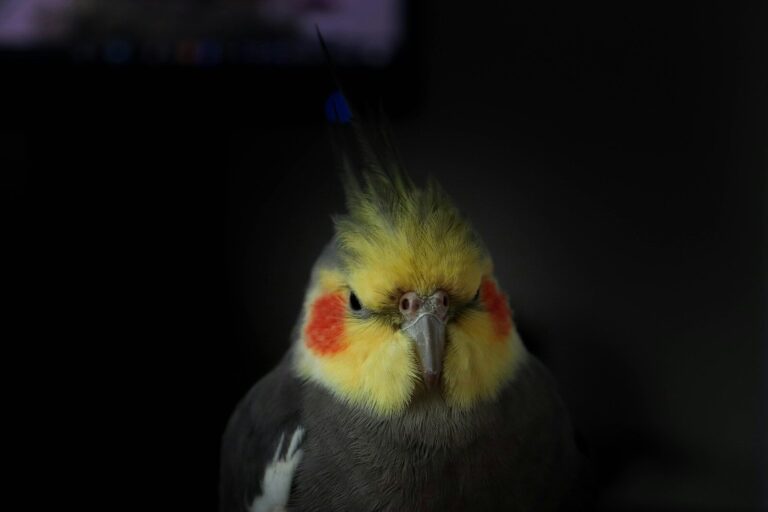
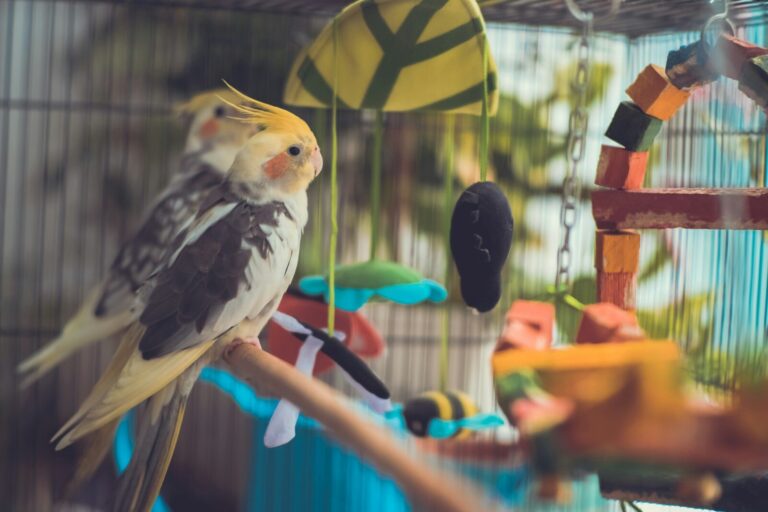
Parrots (budgies, cockatiels, conures, African greys, macaws, Amazons, cockatoos): These species evolved eating a diverse range of plant foods. Their diet in captivity should reflect that diversity: quality pellets as the nutritional foundation, fresh vegetables daily, fruit in moderation, and seeds as a limited supplement or training treat.
Canaries and finches: These birds are primarily seed eaters and do better with a quality seed mix as their foundation, but benefit significantly from supplemental greens, egg food (particularly during breeding season), and fresh vegetables. They don’t generally adapt well to pellet-based diets the way parrots do.
Softbills (mynahs, toucans, etc.): Specialist diets involving specific fruits, insects, and commercially formulated low-iron diets — iron storage disease is common in these species on inappropriate diets. Consult species-specific resources.
Pellets: The Nutritional Foundation for Parrots
High-quality formulated pellets designed for pet birds are the most reliable way to ensure complete nutrition. They’re developed by avian veterinary nutritionists to provide the complete range of vitamins, minerals, amino acids, and macronutrients birds require. The best brands — Harrison’s, Roudybush, Zupreem Natural, TOPS — provide reliably balanced nutrition that seeds and fresh food alone cannot guarantee.
The challenge is conversion. Most birds, especially those raised on seeds, don’t immediately recognize pellets as food. Conversion strategies that work: offer pellets first thing in the morning before seeds are offered, when the bird is hungriest. Crumble pellets over familiar food. Warm pellets slightly to enhance aroma. Model eating the pellets yourself (birds are strongly influenced by what they see companions eating). Be patient — full conversion can take weeks to months, and some birds are more resistant than others. Don’t use food restriction as a conversion technique without veterinary guidance, as this can be dangerous.
Fresh Vegetables: Daily and Varied
Fresh vegetables should form a significant daily component of every parrot’s diet. Aim for variety and rotation — the nutritional profile of different vegetables complements each other, and variety prevents selective eating habits from developing. The most valuable:
Dark leafy greens: Kale, collard greens, Swiss chard, romaine, dandelion greens. Rich in vitamin A, calcium, and phytonutrients. Offer these daily. Spinach is nutritious but high in oxalic acid — offer occasionally rather than daily.
Orange and yellow vegetables: Sweet potato (cooked), carrots, sweet peppers, butternut squash. Excellent vitamin A sources, particularly important for birds on transitional diets.
Cruciferous vegetables: Broccoli (including stems and leaves), cauliflower, Brussels sprouts — nutritionally dense and well-accepted by most birds once introduced.
Legumes: Cooked beans of all varieties (black, kidney, chickpeas, lentils) provide excellent plant protein. Always cook beans thoroughly — raw legumes contain lectins that are harmful to birds.
Fruit: Moderation and Selection
Fruit is nutritious and most birds love it, but it should be offered in moderation due to high sugar content. Good choices: berries (all varieties), mango, papaya, melon, kiwi, citrus in small amounts. Avoid: avocado (toxic — contains persin which causes cardiac failure in birds), fruit with pits or seeds (apple seeds, cherry pits, peach pits contain cyanogenic compounds). A tablespoon or two of fruit several times weekly rather than daily large quantities is appropriate for most parrot species.
Protein Sources
Many birds benefit from protein supplementation beyond pellets. Well-cooked chicken or turkey in small quantities, hard-boiled egg, and cooked legumes are all safe protein sources. This is particularly valuable during molting (when feather protein demands increase), for breeding birds, and for birds transitioning from nutrient-poor seed diets.
Water: Always Fresh, Always Available
Fresh water, changed daily minimum, is non-negotiable. Birds frequently contaminate their water with food, feathers, and droppings. A water bottle prevents contamination better than an open dish, but many birds need introduction to bottle drinking — provide both initially to ensure the bird is getting adequate water while adjusting. Some birds prefer to drink from a running water source; a small pet water fountain can significantly increase water intake in these individuals.
What Never to Feed
The no-list for birds is non-negotiable: avocado (any part — leaves, flesh, pit, skin), chocolate and cocoa, caffeine, alcohol, onion and garlic, any mushrooms, rhubarb, fruit pits and apple seeds, salt in any significant quantity, and non-stick cookware fumes (PTFE/Teflon) which are acutely fatal to birds at cooking temperatures. Keep birds out of the kitchen when cooking and never use non-stick cookware in a bird household.
The Practical Starting Point
If your bird is currently on a seed-only diet, start by adding a small dish of fresh vegetables to the cage daily and beginning the pellet conversion process. Don’t make multiple dietary changes simultaneously — introduce new foods one at a time and monitor droppings, which change with dietary shifts. Within three to six months of consistent effort, most birds will be eating a nutritionally complete diet that genuinely supports their long-term health. The improvement in feather quality, energy, and overall vitality in birds switched from seeds to a balanced diet is often striking and measurable within weeks.