How to Choose Your First Pet Bird: A Complete Beginner’s Guide
The question I get asked more than any other is some version of: “I want a bird — where do I start?” And my honest answer is always the same: start with research, not with the bird. I’ve seen too many well-meaning people bring home a bird that was completely wrong for their lifestyle, only to end up with a frustrated animal and a frustrated owner. The good news is that the right match, made thoughtfully, produces a relationship that can last decades.
Understanding What You’re Committing To
Birds are not low-maintenance pets, and the idea that they are is one of the most persistent and damaging myths in pet ownership. Even a small budgerigar requires daily interaction, fresh food and water, mental stimulation, and regular veterinary care. A larger parrot — a macaw, an African grey, a cockatoo — requires a level of time and attention comparable to a young child, and will live for 40, 60, or even 80 years. That’s a lifetime commitment in the most literal sense.
Before you choose a species, answer these questions honestly: How many hours per day can you genuinely dedicate to a bird? How much space do you have? What’s your noise tolerance? Are you prepared for the mess that birds inevitably create — scattered seeds, dropped food, feather dust? Do you have other pets that might pose a risk? Can you afford avian veterinary care, which is specialized and can be expensive? Honest answers to these questions narrow your choices substantially and guide you toward a bird you’ll genuinely succeed with.
Species Overview: Matching Bird to Lifestyle
Budgerigars (Budgies)
My most recommended first bird, and not because they’re “just a small bird” — budgies are intelligent, entertaining, surprisingly capable of learning words and tricks, and genuinely affectionate when properly socialized. Their size makes cage requirements manageable, their noise level is acceptable in most living situations, and their care requirements are learnable for a motivated beginner. A hand-raised budgie from a reputable breeder who receives daily interaction becomes a genuinely engaging companion. The mistake most beginners make is buying a budgie without taming it and then wondering why it won’t interact with them.
Cockatiels
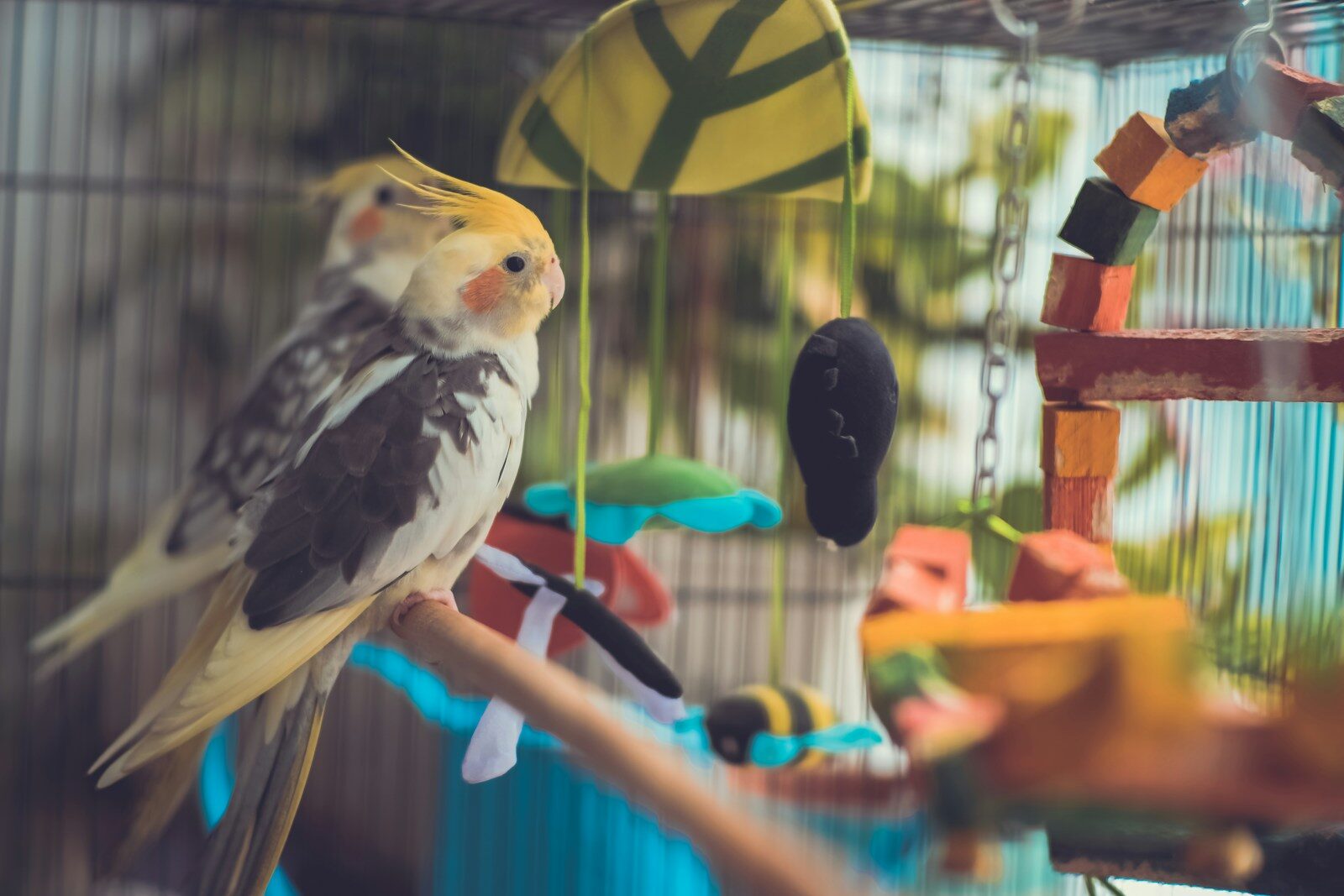
Slightly larger than budgies, cockatiels are among the most popular pet birds in the world for good reason. They tend to be gentle, relatively quiet (the males can be persistent whistlers, but the volume is tolerable), highly affectionate when well-socialized, and capable of learning whistled tunes and some words. They require more space than budgies and more daily interaction, but they’re still within reach of a committed beginner. Cockatiels produce feather dust in quantities that can be significant — an important consideration for people with respiratory sensitivities.
Lovebirds
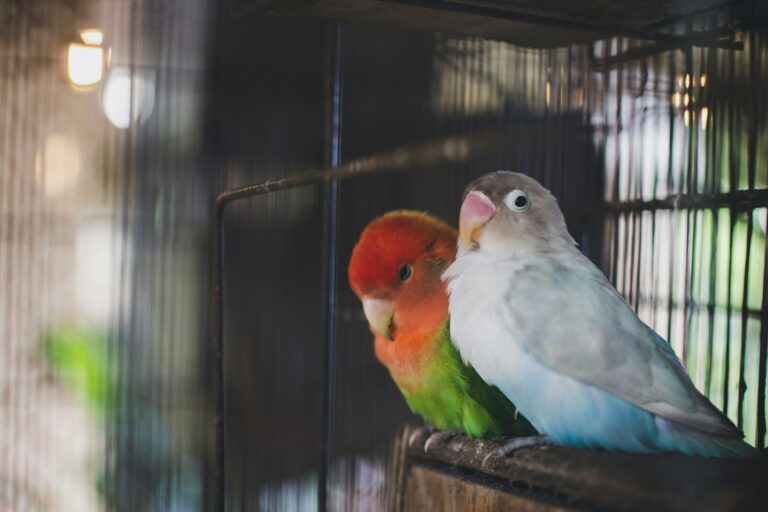
Small but bold. Lovebirds have enormous personalities relative to their size — they’re curious, active, playful, and can become very strongly bonded to their owner. The flip side of that strong bond is that they can also become territorially aggressive and nippy, particularly if not well-socialized from a young age. They’re better suited to an owner who understands bird behavior and can work through the nippy phase with patience than to a complete beginner who may find it off-putting.
Conures
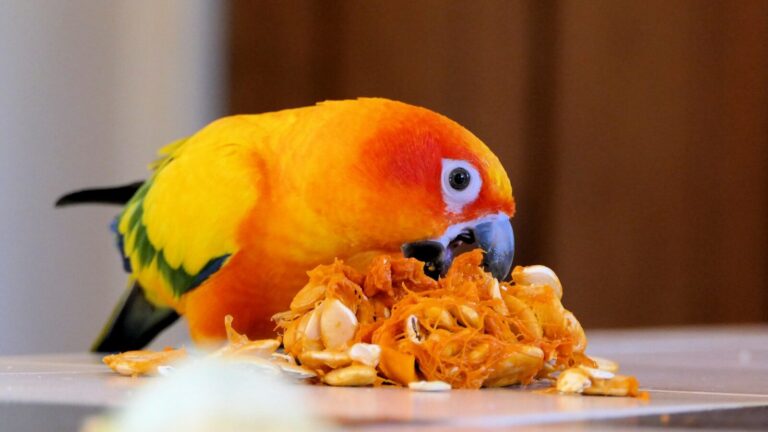
A broad group with significant variation between species. Sun conures and Jenday conures are beautiful and entertaining but among the loudest birds you can keep — their calls carry through walls and across apartment buildings. Green-cheeked conures are significantly quieter while sharing much of the personality and are often a better choice for people in shared living situations. All conures benefit from significant daily interaction and can become problematic if bored.
African Greys
The intellectual peak of pet bird keeping. African greys are widely considered the most cognitively capable pet bird species — research by Dr. Irene Pepperberg demonstrated communication and problem-solving abilities that rival four to six-year-old children in certain domains. They’re capable of extraordinary conversations, not just word mimicry. They’re also highly sensitive, prone to feather-plucking under stress, and extremely demanding of their owner’s time and engagement. I don’t recommend them as a first bird. When an experienced bird owner is ready to make the commitment, however, there is nothing quite like living with an African grey.
Canaries and Finches
The right choice for people who want the presence and beauty of birds without the hands-on interaction demands of parrots. Canaries and finches are generally content to live as pairs or small groups in a well-furnished cage, entertaining with song and movement without requiring daily handling. They are not cuddly pets in the way a well-socialized parrot is — but they don’t need to be, and for the right owner, that’s exactly the appeal.
Where to Get Your Bird
Reputable breeders who hand-raise their birds are my strong recommendation over pet stores. A hand-raised bird has been socialized with humans from the beginning, is comfortable being handled, and comes with a behavioral foundation that makes the bonding process significantly easier. Ask the breeder to let you interact with the bird before purchasing. A well-socialized bird will step up onto your finger without prolonged resistance, will not bite defensively, and will show curiosity about you.
Pet store birds are often parent-raised and not hand-socialized — they can be tamed, but it takes significantly more work. Rescue birds are another excellent option, particularly for experienced owners. Many rescue birds have behavioral issues from inadequate previous care, but with the right approach, these can be addressed and the bird can become a wonderful companion. Rescues benefit enormously from experienced adopters.
The First Vet Visit
Any new bird should see an avian veterinarian within the first week. Not a general small animal vet — a vet with specific avian experience. Birds hide illness as an evolutionary survival strategy, which means by the time a bird looks sick to the untrained eye, the condition is often advanced. A baseline health examination, including a fecal test and basic bloodwork, establishes your bird’s health profile and catches issues that could affect both the bird and your other birds if you have them. Find your avian vet before you bring the bird home, not after.
The Essential Setup
Cage size matters more than most new owners realize — bigger is always better. The minimum guideline is that the bird should be able to fully extend its wings in all directions without touching the bars. For a budgie, that means a cage larger than most marketed “starter” cages. The bar spacing must be appropriate to the species — too wide and small birds escape or get their heads caught; the appropriate spacing varies from half an inch for small birds to one to one-and-a-half inches for large parrots.
Placement: away from kitchens (cooking fumes, particularly non-stick cookware, release gases toxic to birds), away from drafts, and in a room where the family spends time, so the bird is part of daily life rather than isolated. Birds are flock animals by nature. Isolation is genuinely stressful for them.
The Commitment in Plain Terms
A bird is not a display object. It’s a living animal with complex social, cognitive, and physical needs. The most rewarding bird relationships I’ve seen are ones where the owner understood this from the beginning and built their commitment around it. The most troubled ones are where someone brought home a bird on impulse and discovered the reality only afterward. Take the time to choose well, and what you gain is a companion whose intelligence, personality, and in some species, genuine communicative ability, will surprise and delight you for years.