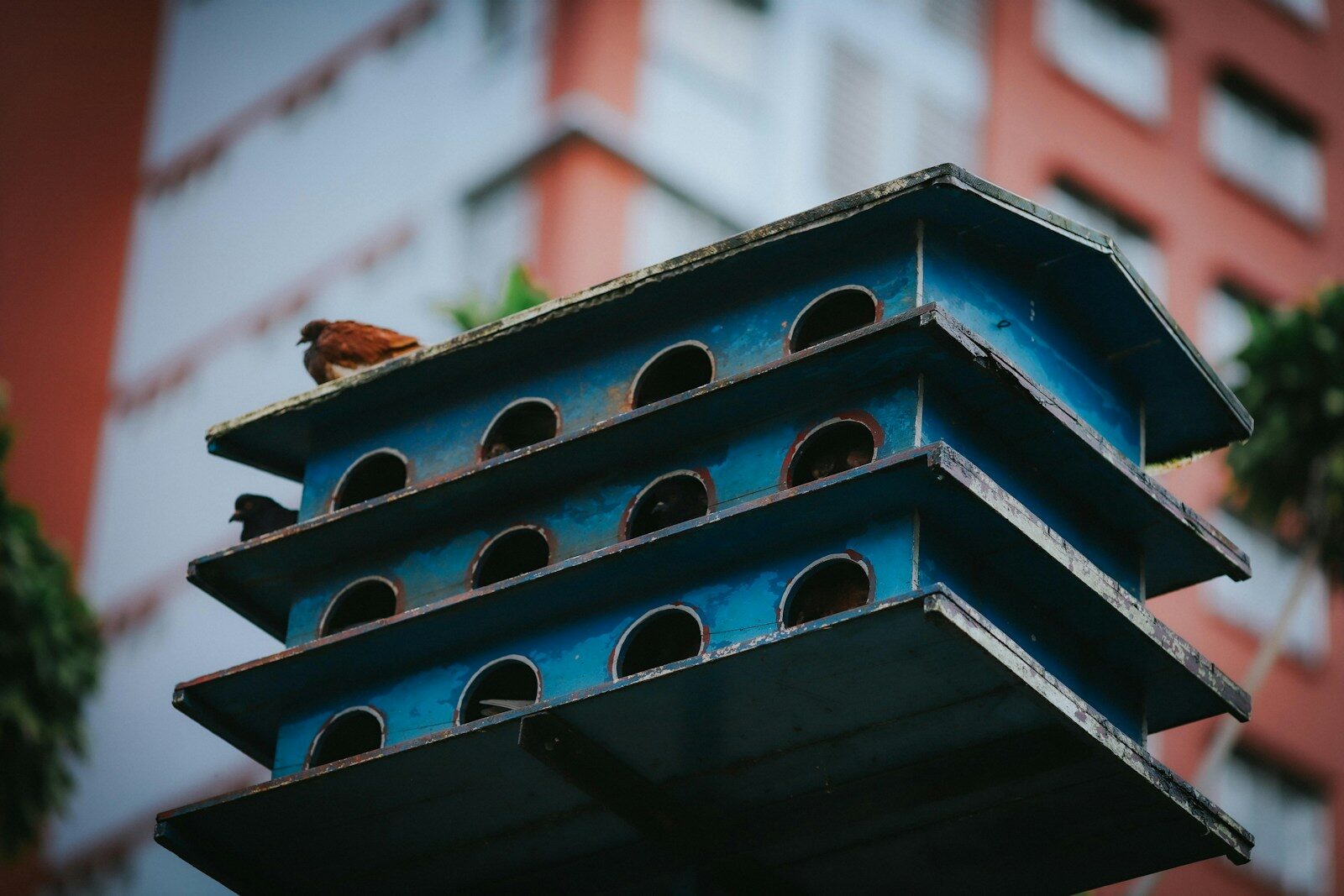
Multi-Bird Households: Managing Flock Dynamics Successfully
A home with multiple birds can be a remarkably rich environment — the social dynamics, the vocalizations that mirror flock communication, the obvious pleasure that well-paired birds take in each other’s company. It can also be a source of chronic stress, injury, and disease if the pairing, introduction, and management aren’t done thoughtfully. I’ve helped manage multi-bird households across the full spectrum of outcomes, and the difference between the thriving ones and the troubled ones is almost always the same: planning and patience.
Compatibility: Species and Individual
Species compatibility is the first consideration. Some species combinations work reliably; others are genuinely dangerous. Same-species pairs are the safest starting point — a budgie with a budgie, a cockatiel with a cockatiel. This doesn’t guarantee compatibility (individual personalities always matter), but it removes the complication of size, strength, and communication differences between species.
Mixed-species housing risks: size differential creates injury risk even without aggressive intent — a large parrot can seriously injure a small bird through play behavior the large bird doesn’t consider aggressive. Communication differences mean birds may misread each other’s signals. Territorial overlap causes stress when resources are shared. Common compatible pairings with appropriate supervision: cockatiels and large-breed budgies (with caveats about size and resource competition), some finch species, canary pairs. Common problematic combinations: any large parrot with small birds, aggressive species with more passive ones, strongly territorial species sharing space.
Individual personality matters as much as species. Two birds of the same species with incompatible personalities will not coexist well regardless of the theoretical compatibility. Observe individual behavior carefully during the introduction process and be prepared to accept that some specific pairs simply won’t work together.
Introduction Protocol
The introduction process for birds is similar in structure to that for cats — gradual, staged, with each stage fully established before proceeding to the next.
Stage 1 (weeks 1-2): Scent and sound only. Quarantine complete, birds in separate rooms but able to hear each other. Feed both birds near the door between rooms to create positive associations with the other bird’s presence.
Stage 2 (weeks 2-4): Visual with physical barrier. Cages placed where birds can see each other but not access each other. Monitor stress signals — if either bird shows persistent alarm (puffed feathers, constant calling, refusal to eat or come to the front of the cage), increase the distance between cages. If both birds show curiosity or neutral interest, proceed at your current pace.
Stage 3 (weeks 4+): Supervised shared space. Let both birds out in the same room simultaneously with you present and able to intervene. Keep first shared sessions short (10-15 minutes). Observe carefully for escalating aggression — chasing, feather-pulling, blocking — and intervene with a calm redirect if needed. Gradually increase shared time as both birds show comfort.
Stage 4: Shared cage (if appropriate). For species and individuals who are genuinely compatible, shared cage housing is possible. Introduce the shared cage as neutral territory — both birds new to it is better than putting the new bird into the resident bird’s established cage. Provide double the resources: two food stations, two water sources, multiple perches and sleeping spots so no single resource becomes a conflict point.
Resource Management
In any multi-bird household, whether birds share cages or not, resource adequacy is the primary variable in inter-bird harmony. Insufficient food stations create competition and bullying. Insufficient resting spots mean some birds can’t rest without proximity to others who make them uncomfortable. Insufficient cage space creates forced proximity that generates chronic stress. The formula: provide resources significantly in excess of the number of birds and distribute them through the space so no single bird can control access to all of them.
Recognizing and Addressing Problems
Signs that a multi-bird arrangement isn’t working: one bird consistently blocking another’s access to food, water, or perches; one bird being consistently displaced from preferred locations; feather-picking or over-preening by one bird; a bird who seems to disappear into corners to avoid contact; persistent aggression that doesn’t decrease over weeks of managed introduction.
Escalating aggression that risks physical injury requires immediate separation — the birds can continue living in separate cages and potentially in separate rooms with a slow restart to the introduction process. Some pairs never become genuinely compatible. Accepting this and providing separate but adequate housing is a responsible outcome, not a failure.
The Rewards of Getting It Right
A compatible multi-bird household has a quality that single-bird homes often lack: the birds provide for each other’s social needs in ways that humans simply can’t replicate. Allopreening (mutual grooming), contact sleeping, social vocalizations that go back and forth, and active play between compatible birds produce visibly happier animals. The time investment in getting the introduction right is paid back continuously in the quality of life for the birds in your care.